
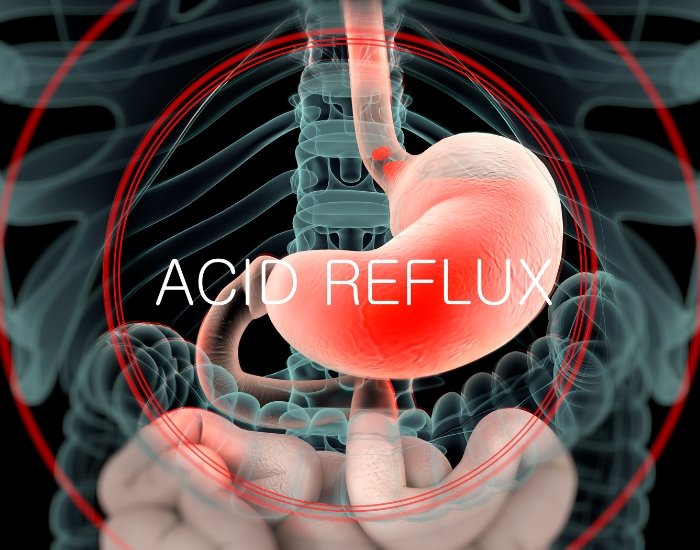
You’ve made the switch to a healthier lifestyle. Salads, lean proteins, whole grains, and fresh fruits have replaced greasy fast food, fried snacks, and sugary treats. You’ve even cut back on caffeine and soda. Yet, despite these positive changes, that familiar burning sensation in your chest or the sour taste in your throat refuses to go away. If this sounds like you, you’re not alone. Many people experience acid reflux — also known as heartburn — even when they believe they are eating perfectly.
It’s easy to assume that healthy eating alone should prevent digestive discomfort. However, acid reflux is influenced by much more than just food choices. The timing of your meals, how quickly you eat, stress levels, and even certain “healthy” foods can all play a role. Understanding why reflux occurs, and what triggers it in your body, is key to finding relief and preventing symptoms from interfering with your daily life. In this blog, we’ll explore why acid reflux can happen even with a healthy diet, and what practical steps you can take to minimize it.
Table of Contents
- Understanding Acid Reflux
- How Healthy Foods Can Still Cause Reflux
- Beyond Diet: Other Common Triggers
- Meal Timing and Digestion Patterns
- Lifestyle Factors That Worsen Reflux
- When to Seek Medical Attention
- Final Thoughts
1. Understanding Acid Reflux
Acid reflux occurs when stomach acid flows back into the esophagus, the tube that connects your throat to your stomach. Normally, a small valve called the lower esophageal sphincter (LES) prevents stomach acid from moving upward. However, if this valve weakens or relaxes at inappropriate times, acid can escape, causing irritation in the esophagus. This irritation often leads to heartburn, chest discomfort, and a sour or bitter taste in the mouth.
Occasional reflux is common and may not indicate a serious problem, but if it occurs frequently, it could signal gastroesophageal reflux disease (GERD). GERD can affect your quality of life and, if left untreated, may cause complications such as esophageal inflammation or narrowing. Understanding the mechanics behind reflux is the first step to managing it, even when you are eating healthy.
2. How “Healthy” Foods Can Still Trigger Reflux
Although we often think of acid reflux as caused by highly processed or greasy foods, many nutritious foods can still trigger symptoms in some people. Here’s why:
Some Healthy Foods Are Naturally Acidic
-
Citrus fruits, tomatoes, vinegar‑based dressings, and certain raw vegetables contain natural acids that can irritate the esophagus in sensitive individuals.
Fiber and Volume Can Increase Pressure
-
High‑fiber foods like salads, greens, and certain whole grains may be great for digestion generally — but if they’re eaten in large quantities, they can expand in the stomach and increase pressure on the LES, making symptoms worse. Some healthy high‑fiber foods like raw onions and broccoli stalks may also be harder for certain people to digest.
Food Combinations Matter
-
A healthy meal might combine items that individually are fine but together trigger reflux — such as leafy greens with citrus dressing, or high‑fiber grains with acidic dressing. Your individual triggers might be different from someone else’s.
Individual Differences and Sensitivities
-
Everyone’s digestive tract and microbiome are unique. Some people might find that foods others tolerate well can irritate their esophagus or slow digestion, leading to more opportunities for acid to reflux upwards. This is why keeping a food journal to track individual triggers can be so helpful.
3. Beyond Diet: Other Common Triggers
Even if your diet is clean, reflux may still occur due to factors unrelated to food. The LES may not function properly due to structural issues such as a hiatal hernia or natural weakening over time. When the LES cannot close effectively, acid can more easily flow back into the esophagus. Delayed stomach emptying can also increase reflux risk. When food remains in the stomach longer than usual, it creates more opportunities for acid to rise. Conditions that slow digestion, dehydration, and certain medications may contribute to this problem. Stress and anxiety are other common culprits. Chronic stress can increase stomach acid production and alter digestion patterns, heightening reflux symptoms. Additionally, medications such as some pain relievers or muscle relaxants may relax the LES or irritate the stomach lining, further exacerbating reflux.
4. Meal Timing and Digestion Patterns
How and when you eat can significantly influence acid reflux, even if your diet is otherwise healthy. Large meals increase stomach pressure, which can push acid toward the esophagus. Eating smaller, more frequent meals is often a simple yet effective way to reduce reflux episodes.
The timing of meals relative to lying down is also critical. Gravity plays a natural role in keeping stomach contents down, so lying down or going to bed immediately after eating can worsen symptoms. Experts recommend waiting two to three hours after meals before lying down. Eating too quickly or not chewing food thoroughly can also contribute to reflux. When food isn’t broken down properly, it puts extra strain on the stomach, increasing acid production and the likelihood of backflow.
5. Lifestyle Factors That Worsen Reflux
Several lifestyle habits can affect reflux independently of diet. Carrying excess weight around the abdomen increases pressure on the stomach, making it easier for acid to escape. Posture also matters: slouching during or after meals can compress the stomach and LES, triggering symptoms. Tight clothing, especially around the waist, has a similar effect by putting additional pressure on the stomach. Smoking weakens the LES and delays healing of the esophagus, while alcohol relaxes the LES and stimulates acid production, making both significant reflux triggers. Finally, staying adequately hydrated supports healthy digestion, but consuming excessive liquids with meals can also increase stomach volume and pressure.
6. When to Seek Medical Attention
Occasional heartburn is usually manageable with lifestyle adjustments, but persistent symptoms should prompt a consultation with a healthcare professional. Seek medical attention if reflux occurs more than twice a week, if you experience difficulty swallowing, unexplained weight loss, vomiting, or severe chest pain. Over-the-counter remedies may provide temporary relief, but a healthcare provider can offer personalized guidance, prescription medications, or testing if necessary to manage GERD or underlying digestive conditions.
7. Final Thoughts
Experiencing acid reflux even while eating healthy is frustrating, but it is a common challenge. Reflux is not solely caused by diet; it can be influenced by meal size, timing, digestion, lifestyle habits, stress, and individual sensitivities. By paying attention to these factors and observing how your body responds, you can identify triggers and make adjustments that improve comfort and overall digestive health. Small, consistent changes — from mindful eating to lifestyle modifications — can significantly reduce reflux symptoms and improve quality of life.
If acid reflux continues to interfere with your daily life despite healthy eating, United Gastroenterology Associates can help identify the root causes and develop a personalized management plan. Don’t let reflux control your life — schedule a consultation to take control of your digestive health today.
Disclaimer: This blog is intended for informational purposes only and should not be considered medical advice. Always consult a qualified healthcare provider for diagnosis and treatment of any medical condition.