
After a long day, many people notice that their stomach feels much larger than it did in the morning. Pants become tighter, the abdomen feels swollen, and uncomfortable pressure or gas can make relaxing or sleeping difficult. If you’ve ever looked in the mirror before bed and wondered, “Why am I bloated at night?”, you’re certainly not alone.
Nighttime bloating is one of the most common digestive complaints seen by gastroenterologists. For some people, it’s an occasional inconvenience after a large meal. For others, it happens almost every evening and may be accompanied by abdominal discomfort, constipation, diarrhea, excessive gas, heartburn, or changes in bowel habits. Although many cases are related to eating habits or temporary digestive issues, persistent bloating can sometimes signal an underlying gastrointestinal condition that deserves medical attention.
The good news is that bloating itself is not a disease—it’s a symptom. Understanding why it happens is the first step toward finding relief. In this guide, we’ll explain why bloating often gets worse later in the day, discuss the most common medical and lifestyle causes, review warning signs that shouldn’t be ignored, and explain how a gastroenterologist can help identify the underlying problem.
Important Note
Bloating after dinner or before bedtime is common, but frequent or severe bloating should never be dismissed as “normal.” While it may simply reflect what you ate or how quickly you ate it, persistent abdominal swelling can also be associated with conditions such as irritable bowel syndrome (IBS), constipation, food intolerances, gastroesophageal reflux disease (GERD), small intestinal bacterial overgrowth (SIBO), or other digestive disorders. Recognizing patterns in your symptoms and seeking evaluation when needed can help prevent ongoing discomfort and identify conditions that may benefit from treatment.
Table of Contents
- Why Does Bloating Get Worse at Night?
- Is Nighttime Bloating Normal?
- Common Causes of Nighttime Bloating
- Foods That Can Make Evening Bloating Worse
- When Nighttime Bloating Could Be a Sign of Something More Serious
- How a Gastroenterologist Diagnoses Chronic Bloating
- Treatment Options for Persistent Nighttime Bloating
- Ways to Reduce Evening Bloating
- When to Visit a Gastroenterologist in Katy or Cypress
- Frequently Asked Questions
Why Does Bloating Get Worse at Night?
The simple answer is that your digestive system has been working all day. Every meal, snack, beverage, and even the air you swallow while talking or eating contributes to what your stomach and intestines are processing. By evening, gas produced during digestion has accumulated, your intestines have handled several meals, and gravity has influenced how abdominal contents settle throughout the day. The result is that your abdomen may naturally appear fuller than it did when you first woke up.
Most people wake up after several hours of fasting. Overnight, the stomach empties, the intestines continue moving waste, and gas production slows considerably. This is why many people notice a relatively flat abdomen in the morning. As the day progresses, food, fluids, and naturally produced intestinal gas increase the volume inside the digestive tract. Even healthy individuals may notice mild abdominal fullness by evening.
However, when bloating becomes painful, happens every night, or is accompanied by other digestive symptoms, there may be more than simple digestion at work. Conditions affecting how food moves through the gastrointestinal tract, how bacteria interact with undigested food, or how the intestines handle gas can all contribute to persistent nighttime bloating.
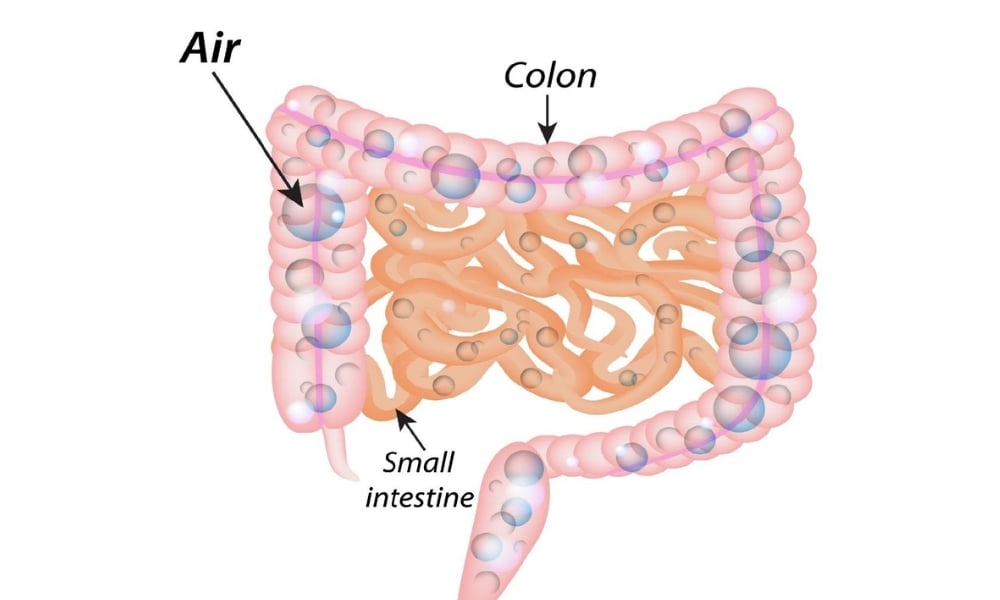
Many patients describe the sensation as if they are “several months pregnant” by bedtime. Others notice excessive belching, abdominal tightness, or difficulty fastening clothing after dinner. These descriptions provide valuable clues that help gastroenterologists identify possible underlying digestive disorders.
Is Nighttime Bloating Normal?
Experiencing occasional bloating after a large meal, eating too quickly, or enjoying foods that naturally produce gas is generally considered normal. Foods rich in fiber, beans, onions, broccoli, cabbage, dairy products in lactose-intolerant individuals, and carbonated beverages commonly increase gas production. Temporary bloating after these foods usually improves within several hours.
The concern arises when bloating occurs almost every evening, becomes progressively worse, interferes with sleep, or affects your quality of life. Chronic bloating should not simply be accepted as a normal part of getting older. Persistent symptoms often indicate that something in the digestive process deserves closer evaluation.
Another important distinction is whether the abdomen actually becomes physically distended or simply feels full. Some individuals experience a sensation of pressure without measurable swelling, while others develop obvious abdominal enlargement by evening. Both experiences are real, but they may point toward different underlying causes.
If your bloating is accompanied by constipation, chronic diarrhea, abdominal pain, nausea, unexplained weight loss, blood in the stool, or persistent heartburn, scheduling an evaluation with a gastroenterologist is appropriate rather than continuing to self-treat with over-the-counter remedies.
Common Causes of Nighttime Bloating
Because bloating is a symptom rather than a diagnosis, identifying the cause requires looking at your overall digestive health, eating habits, medical history, and associated symptoms. Several digestive conditions frequently cause bloating that becomes more noticeable later in the day.
Constipation
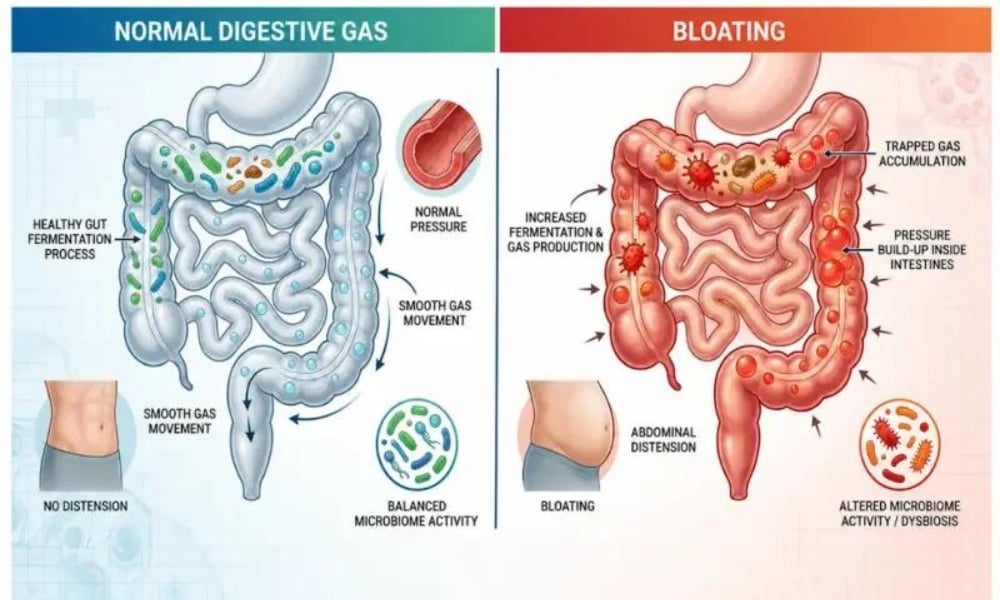
Constipation is one of the most common reasons people experience evening bloating. When stool remains in the colon longer than normal, gas produced by intestinal bacteria becomes trapped behind it. As the colon stretches, pressure builds, leading to visible abdominal swelling, discomfort, and fullness.
Many patients are surprised to learn they can still have constipation even if they have bowel movements every day. Incomplete emptying, hard stools, excessive straining, or infrequent bowel movements can all contribute to persistent bloating.
Irritable Bowel Syndrome (IBS)
People living with IBS frequently report that bloating is one of their most frustrating symptoms. The intestines may become unusually sensitive to normal amounts of gas, causing disproportionate discomfort and visible abdominal distention. Symptoms often worsen after meals and become more noticeable as the day progresses.
IBS may also alternate between constipation and diarrhea, making the pattern of bloating somewhat unpredictable. Stress, certain foods, hormonal changes, and irregular eating schedules often contribute to symptom flare-ups.
Food Intolerances
Food intolerances are another common explanation for evening bloating. Unlike food allergies, intolerances generally involve difficulty digesting specific carbohydrates or sugars rather than an immune reaction.
Lactose intolerance is one of the best-known examples. Individuals who lack enough lactase enzyme may experience bloating, gas, abdominal cramping, and diarrhea after consuming milk, ice cream, or other dairy products. Similar symptoms may occur with fructose intolerance or sensitivity to certain fermentable carbohydrates known as FODMAPs.
Because these foods are often eaten throughout the day, symptoms commonly become most noticeable during the evening hours.
Small Intestinal Bacterial Overgrowth (SIBO)
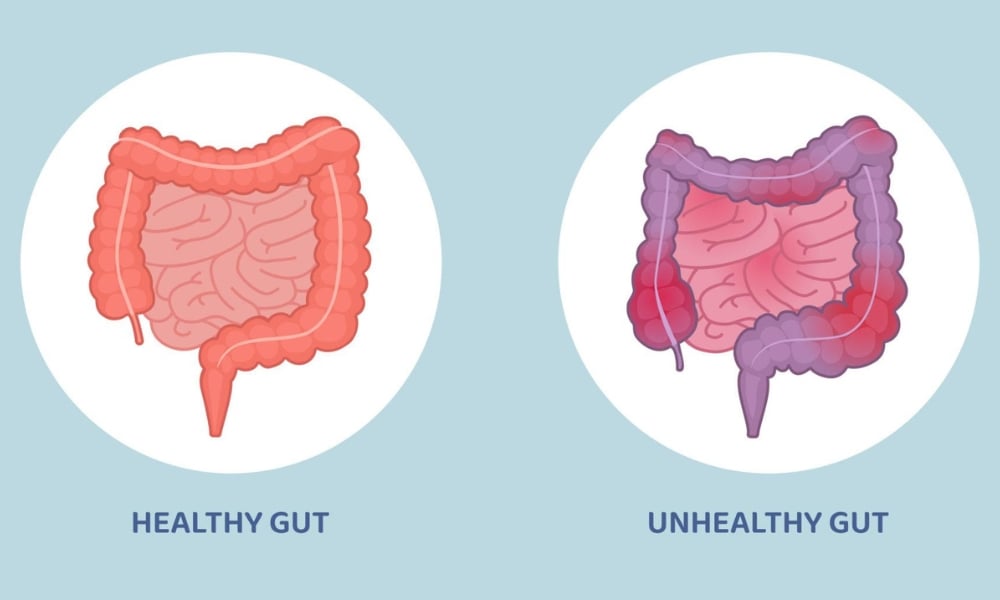
Your small intestine normally contains relatively low levels of bacteria compared with the large intestine. In some individuals, however, excessive bacteria grow within the small intestine and begin fermenting carbohydrates before they are fully digested. This process produces large amounts of gas, which can lead to bloating, abdominal discomfort, excessive belching, and changes in bowel habits.
Many people with SIBO notice that their abdomen becomes progressively larger as the day goes on. After breakfast they may feel relatively comfortable, but by dinner their stomach feels tight and swollen. Meals that contain bread, pasta, fruit, dairy products, or other fermentable carbohydrates often make symptoms worse.
Because SIBO shares symptoms with IBS, food intolerances, and other digestive disorders, it can sometimes be overlooked. A gastroenterologist may recommend specialized breath testing or other evaluations if SIBO is suspected.
Gastroesophageal Reflux Disease (GERD)
Although GERD is usually associated with heartburn, chronic acid reflux can also contribute to bloating and excessive belching. Some people swallow more air while trying to relieve reflux symptoms, while others experience delayed stomach emptying that contributes to fullness after meals.
If your nighttime bloating occurs together with burning in the chest, sour-tasting fluid in the mouth, chronic cough, hoarseness, or frequent throat clearing, reflux disease may be playing a role. These symptoms often become more noticeable after dinner because lying down makes it easier for stomach contents to move upward into the esophagus.
Persistent reflux should not be ignored because long-term inflammation of the esophagus may lead to complications that require medical evaluation and treatment.
Eating Large Meals Late in the Evening
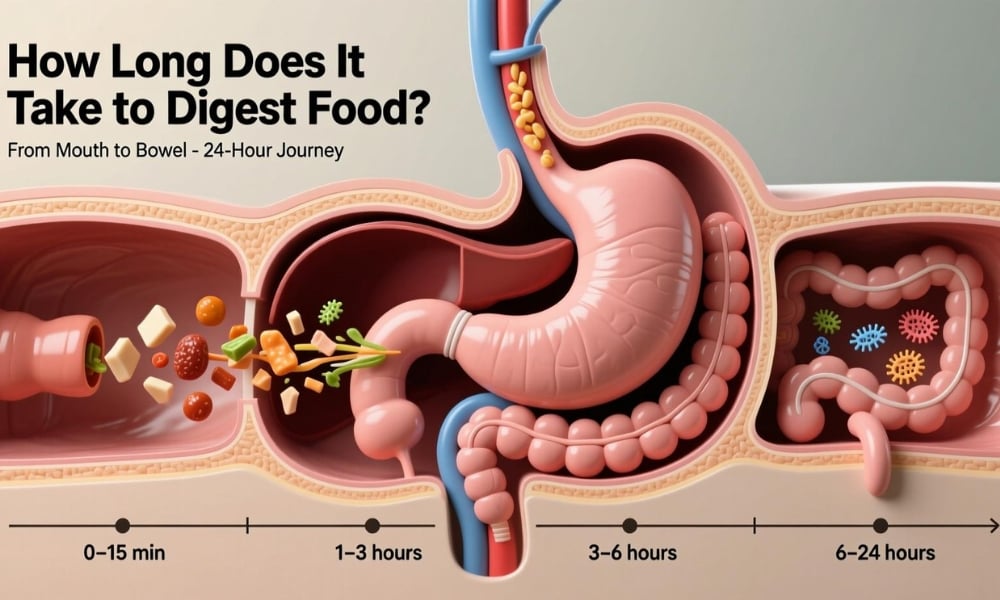
Modern lifestyles often make dinner the largest meal of the day. After skipping breakfast, grabbing a quick lunch, and finally sitting down to a substantial dinner, the stomach suddenly has a significant amount of food to process.
Large meals naturally stretch the stomach. The digestive system then works for several hours breaking down proteins, fats, carbohydrates, and fiber. During this process, normal intestinal bacteria also produce gas. As these digestive processes continue throughout the evening, many people notice increasing abdominal fullness before bedtime.
Eating immediately before lying down can make symptoms even more noticeable because digestion continues while the body is at rest.
Eating Too Quickly
Many people unknowingly swallow large amounts of air while eating quickly, talking during meals, chewing gum, or drinking through a straw. This swallowed air, known medically as aerophagia, often contributes to abdominal bloating and excessive belching later in the day.
Eating more slowly allows the stomach to communicate feelings of fullness to the brain while reducing the amount of air swallowed. Patients are often surprised by how much improvement they experience simply by slowing down during meals.
Carbonated Drinks
Sodas, sparkling water, beer, energy drinks, and other carbonated beverages introduce additional gas directly into the digestive tract. While much of this gas is released through belching, some travels farther into the intestines where it contributes to bloating and abdominal pressure.
People who consume multiple carbonated beverages throughout the day frequently report worsening bloating during the evening hours.
Artificial Sweeteners and Sugar Alcohols
Many sugar-free foods contain sweeteners such as sorbitol, mannitol, xylitol, erythritol, or maltitol. These ingredients are not fully absorbed in everyone and may be fermented by intestinal bacteria, producing gas that leads to bloating.
Sugar-free gum, candies, protein bars, and certain low-carbohydrate products are common but often overlooked sources of these sweeteners. Reading nutrition labels may help identify foods contributing to chronic symptoms.
Hormonal Changes
Some women notice that bloating becomes more severe during certain phases of the menstrual cycle. Hormonal fluctuations can influence fluid retention, bowel function, and intestinal sensitivity, making the abdomen feel swollen even when gas production has not significantly increased.
If bloating consistently occurs around menstruation but improves afterward, hormonal changes may contribute to symptoms. However, persistent bloating outside the menstrual cycle still deserves medical evaluation if it becomes frequent or severe.
Stress and the Gut-Brain Connection
The digestive system and the brain communicate constantly through a network often called the gut-brain axis. Emotional stress, anxiety, and chronic tension can affect how quickly food moves through the digestive tract, how sensitive the intestines become to normal amounts of gas, and how the muscles of the digestive system function.
This is one reason many patients notice that bloating worsens during stressful workweeks, major life events, or periods of poor sleep. Stress does not mean the symptoms are “all in your head.” Rather, it changes the way the digestive tract functions, making very real symptoms more noticeable.
Important Note
Experiencing bloating does not automatically mean you have a serious digestive disease. Many people improve with simple dietary adjustments or treatment of common conditions such as constipation, IBS, or food intolerances. At the same time, persistent, worsening, or unexplained bloating should not be dismissed or repeatedly self-treated without understanding its cause. A proper evaluation can provide reassurance when the cause is harmless while also identifying conditions that benefit from early treatment.
Foods That Can Make Evening Bloating Worse
Certain foods naturally produce more intestinal gas because they contain carbohydrates that are fermented by healthy bacteria in the colon. While these foods are often nutritious and do not need to be completely avoided, some people are more sensitive to their effects than others.
Common dietary triggers include beans, lentils, onions, garlic, broccoli, cauliflower, Brussels sprouts, cabbage, apples, pears, watermelon, dairy products in lactose-intolerant individuals, wheat products in certain sensitive individuals, and carbonated beverages.
High-fat meals may also contribute to evening bloating because fat slows stomach emptying. When food remains in the stomach longer, feelings of fullness may persist well into the evening.
Keeping a simple food and symptom diary for several weeks can help identify patterns between specific meals and nighttime bloating. Rather than eliminating numerous foods all at once, a gastroenterologist or registered dietitian can help determine whether certain foods truly contribute to symptoms while maintaining balanced nutrition.
When Nighttime Bloating Could Be a Sign of Something More Serious
Most cases of bloating are related to functional digestive disorders or dietary factors, but persistent abdominal swelling should never be ignored when accompanied by concerning symptoms.
You should schedule medical evaluation if bloating occurs frequently and is associated with:
- Unexplained weight loss
- Blood in the stool or black stools
- Persistent vomiting
- Difficulty swallowing
- Severe or worsening abdominal pain
- Anemia or unusual fatigue
- Fever
- Persistent diarrhea lasting several weeks
- Chronic constipation that does not improve
- A family history of colorectal cancer or inflammatory bowel disease
Although these symptoms do not necessarily indicate a serious illness, they deserve prompt evaluation to rule out inflammatory bowel disease, celiac disease, gastrointestinal bleeding, colorectal cancer, significant infections, or other digestive conditions.
Similarly, bloating that develops suddenly, becomes rapidly worse, or is accompanied by severe pain and inability to pass stool or gas requires urgent medical attention.
How a Gastroenterologist Diagnoses Chronic Nighttime Bloating
Because bloating is a symptom rather than a disease, finding the underlying cause is the most important step toward effective treatment. During your appointment, your gastroenterologist will ask detailed questions about your symptoms, including when the bloating occurs, whether it is associated with meals, how long it lasts, what foods seem to trigger it, and whether you have constipation, diarrhea, heartburn, nausea, weight loss, or blood in your stool.
Your medical history, medications, previous abdominal surgeries, family history of digestive diseases, and lifestyle habits can all provide valuable clues. In many cases, the pattern of symptoms helps narrow the list of possible causes before any testing is performed.
Depending on your symptoms and physical examination, your gastroenterologist may recommend one or more diagnostic tests.
Laboratory Testing
Blood tests may be recommended to look for anemia, inflammation, thyroid disorders, nutritional deficiencies, liver disease, celiac disease, or signs of infection. Although blood work alone cannot diagnose every digestive condition, it often provides important information that guides additional evaluation.
Breath Testing
Breath tests may be useful when lactose intolerance, fructose intolerance, or small intestinal bacterial overgrowth (SIBO) is suspected. These tests measure gases produced after consuming a specific sugar solution, helping identify abnormal bacterial fermentation or difficulty digesting certain carbohydrates.
Stool Testing
If diarrhea, intestinal infection, inflammation, or gastrointestinal bleeding is suspected, stool studies may help identify the underlying cause. These tests are particularly useful when symptoms develop suddenly or are accompanied by fever or persistent diarrhea.
Upper Endoscopy (EGD)
An upper endoscopy allows your gastroenterologist to examine the esophagus, stomach, and first portion of the small intestine using a thin flexible camera. This procedure may be recommended when bloating occurs together with persistent heartburn, nausea, vomiting, difficulty swallowing, unexplained weight loss, stomach pain, or suspected ulcers.
Colonoscopy
When bloating is associated with rectal bleeding, chronic constipation, unexplained anemia, persistent changes in bowel habits, or if colorectal cancer screening is recommended based on your age or risk factors, a colonoscopy may be advised. This procedure allows direct examination of the large intestine and can identify polyps, inflammation, diverticular disease, colorectal cancer, and other conditions.
Imaging Studies
In selected cases, abdominal ultrasound, CT scans, or other imaging studies may be recommended to evaluate the liver, gallbladder, pancreas, intestines, or other abdominal organs. Imaging is especially helpful when symptoms are severe, rapidly worsening, or accompanied by abnormal physical examination findings.
Treatment Options for Persistent Nighttime Bloating
The most effective treatment depends entirely on the underlying cause. While many over-the-counter products temporarily reduce gas, they may not address the reason bloating keeps returning.
If constipation is contributing to symptoms, increasing dietary fiber gradually, drinking adequate fluids, becoming more physically active, or using physician-recommended medications may improve bowel function and reduce abdominal distention.
Patients with IBS often benefit from a combination of dietary adjustments, stress management, regular meal timing, and medications designed to reduce intestinal sensitivity or improve bowel function. Some individuals may also benefit from a carefully supervised low-FODMAP diet.
Food intolerances usually improve by identifying and reducing specific trigger foods rather than eliminating large groups of healthy foods unnecessarily. Lactose intolerance, for example, may improve with lactose-free products or lactase enzyme supplements.
If GERD contributes to bloating, treatment may include lifestyle changes, avoiding late-night meals, elevating the head of the bed, weight management when appropriate, and medications that reduce stomach acid.
Patients diagnosed with SIBO may require prescription medications along with treatment of any underlying digestive condition that allowed bacterial overgrowth to develop.
The key is individualized care. Two people with identical symptoms may have completely different underlying causes and require different treatment plans.
Remember
Repeatedly taking gas-relief products without understanding why bloating keeps returning may delay diagnosis of an underlying digestive disorder. If bloating occurs several times a week, continues for months, or affects your daily activities, it is time to seek a professional evaluation rather than simply treating the symptom.
Ways to Reduce Evening Bloating
Although treatment depends on the underlying diagnosis, several healthy habits may reduce mild nighttime bloating for many people.
- Eat meals more slowly and chew food thoroughly.
- Avoid overeating, especially late in the evening.
- Stay physically active throughout the day.
- Drink enough water to support healthy digestion.
- Limit carbonated beverages if they worsen symptoms.
- Keep a food diary to identify possible dietary triggers.
- Avoid lying down immediately after eating dinner.
- Manage stress through regular exercise, adequate sleep, and relaxation techniques.
- Follow your gastroenterologist’s treatment plan if you have IBS, GERD, constipation, or another digestive condition.
These lifestyle measures often complement medical treatment but should not replace evaluation when symptoms become persistent or concerning.
When to Visit a Gastroenterologist in Katy or Cypress
If bloating happens occasionally after a heavy meal, it may simply reflect normal digestion. However, if your abdomen becomes swollen almost every evening, symptoms continue for several weeks, or bloating is accompanied by abdominal pain, constipation, diarrhea, unexplained weight loss, blood in the stool, persistent nausea, or heartburn, it is important to identify the underlying cause.
At United Gastroenterology Associates, our board-certified gastroenterologist evaluates patients experiencing chronic bloating, excessive gas, IBS, constipation, GERD, food intolerances, liver disease, inflammatory bowel disease, and other digestive disorders. Our team provides comprehensive digestive care for patients throughout Katy, Cypress, and the Greater Houston area using advanced diagnostic testing and personalized treatment plans.
Rather than simply masking symptoms, our goal is to determine why bloating is occurring and develop a treatment plan that addresses the underlying condition while improving your quality of life.
Frequently Asked Questions
Why am I bloated only at night?
Nighttime bloating commonly occurs because your digestive system has processed multiple meals throughout the day. Gas naturally accumulates during digestion, but persistent nightly bloating may also be related to constipation, IBS, food intolerances, GERD, or SIBO.
Why is my stomach flat in the morning but bloated at night?
During sleep, your stomach empties and digestion slows. Throughout the day, food, fluids, and intestinal gas gradually increase abdominal fullness, making bloating more noticeable by evening.
Can constipation cause bloating every evening?
Yes. Constipation is one of the most common causes of chronic bloating because trapped stool allows intestinal gas to build up, stretching the colon and causing abdominal swelling.
Can IBS cause nighttime bloating?
Yes. Many people with irritable bowel syndrome report worsening bloating after meals and during the evening due to intestinal sensitivity and altered bowel function.
Does stress make bloating worse?
Yes. Stress can influence the gut-brain connection, affecting digestion, bowel movements, and sensitivity to normal amounts of gas.
When should I worry about bloating?
You should seek medical evaluation if bloating is persistent, severe, associated with unexplained weight loss, blood in the stool, persistent vomiting, severe abdominal pain, anemia, or changes in bowel habits that continue for several weeks.
Can a gastroenterologist help with chronic bloating?
Absolutely. A gastroenterologist can identify whether bloating is related to IBS, constipation, food intolerances, GERD, SIBO, celiac disease, inflammatory bowel disease, or other digestive conditions and recommend appropriate treatment.
Medical Disclaimer
This article is intended for educational purposes only and should not replace professional medical advice, diagnosis, or treatment. Digestive symptoms vary from person to person, and persistent or worsening bloating should be evaluated by a qualified healthcare professional. If you experience severe abdominal pain, persistent vomiting, blood in the stool, black stools, fever, chest pain, or sudden abdominal swelling, seek immediate medical attention.