
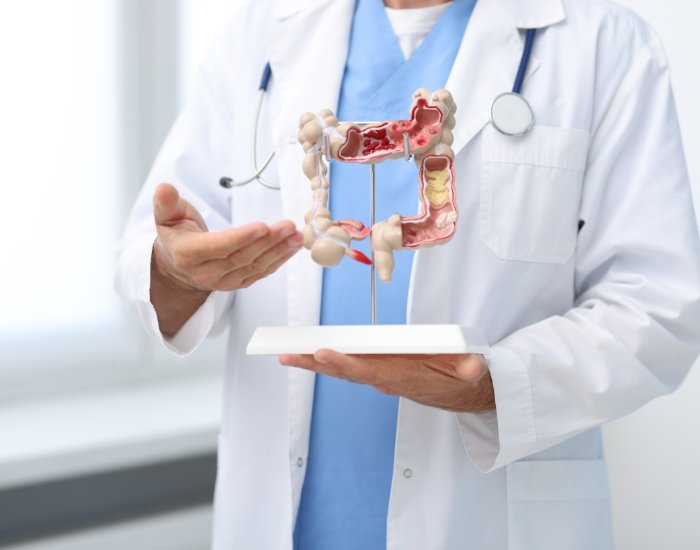
Digestive issues can range from a mild inconvenience to a serious health concern, but many people delay seeing a specialist until symptoms become severe. Knowing when to see a gastroenterologist in Katy, TX is key to preventing complications, managing chronic conditions, and maintaining overall wellness. Whether you’re experiencing persistent heartburn, sudden changes in bowel habits, or unexplained abdominal pain, early intervention can make a significant difference. This guide will help you understand the signs that indicate it’s time to consult a gastroenterologist, what to expect during your visit, and how professional care can keep your digestive system healthy for years to come.
1. Understanding the Role of a Gastroenterologist
A gastroenterologist is a physician who specializes in the digestive system, which includes the esophagus, stomach, intestines, liver, pancreas, and gallbladder. These specialists manage both common and complex gastrointestinal issues, helping patients maintain digestive health and addressing serious conditions when they arise. Their responsibilities include diagnosing digestive disorders, performing procedures such as endoscopy and colonoscopy, offering treatment plans for chronic conditions like irritable bowel syndrome (IBS), Crohn’s disease, and ulcerative colitis, and providing preventive screenings and guidance for colon cancer and other gastrointestinal cancers. Regular visits to a gastroenterologist are especially important for adults over 45 or for individuals with a family history of gastrointestinal diseases, as early detection and management can significantly improve outcomes.
2. Common Digestive Symptoms That Require Attention
It is important to pay attention to persistent or unusual digestive symptoms, as they may indicate underlying gastrointestinal issues that require specialist care. Common symptoms that warrant a visit to a gastroenterologist include ongoing abdominal pain or discomfort, frequent heartburn or acid reflux, difficulty swallowing or the sensation of food getting stuck, unexplained nausea or vomiting, changes in bowel habits such as diarrhea or constipation, and the presence of blood in the stool or black, tarry stools. Even occasional symptoms should not be ignored if they interfere with daily life or worsen over time, as timely evaluation can help prevent complications and improve overall digestive health.
3. Chronic Conditions Needing Specialist Care
Certain chronic gastrointestinal conditions require ongoing attention from a gastroenterologist. Irritable Bowel Syndrome (IBS) is a common condition that causes abdominal pain, bloating, diarrhea, and constipation. Inflammatory Bowel Disease (IBD), which includes Crohn’s disease and ulcerative colitis, requires specialized management to reduce inflammation and prevent complications. Gastroesophageal Reflux Disease (GERD) involves persistent acid reflux that can damage the esophagus if untreated. Liver disorders, such as hepatitis, fatty liver disease, or cirrhosis, also require monitoring and treatment from a specialist. Additionally, peptic ulcers—open sores in the stomach lining—can cause significant discomfort and digestive issues. Seeking care early can help prevent complications, reduce symptom severity, and improve long-term outcomes for these conditions.
4. Screening and Preventive Care
Gastroenterologists play a crucial role in preventive health. Regular screenings can detect early signs of serious conditions:
- Colorectal Cancer Screening – Recommended for adults 45+ or earlier for high-risk patients.
- Endoscopy – Detects abnormalities in the esophagus, stomach, and duodenum.
- Liver Function Tests – Monitors liver health and identifies potential issues early.
- H. pylori Testing – Checks for bacterial infection linked to ulcers and stomach cancer.
Preventive care can save lives by identifying problems before they become severe.
5. Situations Requiring Urgent Evaluation
Some symptoms may indicate serious conditions needing immediate attention:
- Severe or sudden abdominal pain
- Vomiting blood or severe dehydration
- Black or bloody stools
- Unexplained weight loss or fatigue
- Persistent jaundice (yellowing of the skin or eyes)
If you experience any of these symptoms, contact a gastroenterologist promptly or seek urgent care.
6. Lifestyle Factors That May Trigger a GI Visit
Certain lifestyle habits can worsen digestive symptoms or trigger complications, signaling the need to consult a gastroenterologist. A diet high in processed foods and sugar, excessive alcohol consumption, chronic stress or anxiety, a sedentary lifestyle, and smoking can all negatively impact digestive health. Addressing these factors with professional guidance can help improve digestive function, reduce symptoms, and promote overall wellness. Gastroenterologists can provide advice on lifestyle modifications that complement medical treatment, helping patients achieve long-term digestive health.
7. How to Prepare for Your Appointment
Proper preparation is essential to make the most of a gastroenterology consultation. Patients should document all symptoms and note their frequency, create a comprehensive list of current medications and supplements, and gather relevant medical history, including any family gastrointestinal conditions. It is also helpful to bring records of previous diagnostic tests or procedures and prepare questions regarding lifestyle, diet, or treatment options. Being organized ensures that the gastroenterologist can make accurate diagnoses, develop an effective treatment plan, and provide the best possible guidance for managing digestive health.
8. FAQs
Q1: How do I know if I need a gastroenterologist in Katy, TX?
A: Persistent digestive symptoms, chronic conditions, or routine screenings are all valid reasons to consult a gastroenterologist in Katy.
Q2: What is the difference between a gastroenterologist and a primary care doctor?
A: A gastroenterologist specializes in the digestive system and performs advanced diagnostics and treatments, whereas primary care physicians manage general health.
Q3: How often should I visit a gastroenterologist?
A: Routine visits vary by age and risk factors, but adults 45+ should consider regular screenings like colonoscopy every 10 years or as recommended.
Q4: Are gastroenterology procedures painful?
A: Most procedures, including colonoscopy and endoscopy, are minimally uncomfortable. Sedation is commonly used for patient comfort.
Q5: Does insurance cover gastroenterologist visits and procedures?
A: Most insurance plans cover specialist visits and recommended procedures. Always check with your provider for specific coverage.
9. When to See a Gastroenterologist in Katy, TX
Knowing the right time to consult a gastroenterologist can make a significant difference in managing digestive health effectively. You should schedule an appointment if you notice persistent or worsening symptoms such as abdominal pain, frequent heartburn, difficulty swallowing, or changes in bowel habits. Individuals with chronic conditions like IBS, IBD, GERD, or liver disorders should have regular check-ups to monitor their health and prevent complications. Additionally, preventive screenings, including colonoscopy and other diagnostic tests, are recommended for adults over 45 or those with a family history of gastrointestinal disease. By seeing a gastroenterologist in Katy, TX early, you can address digestive issues promptly, receive personalized treatment plans, and maintain long-term gastrointestinal wellness.
10. Final Thoughts
Taking care of your digestive health is crucial, and seeing a gastroenterologist in a timely manner can prevent complications and improve quality of life. Whether you’re managing chronic conditions, experiencing new symptoms, or need preventive screening, professional guidance is key.
If you’re ready to prioritize your digestive health, schedule a consultation with a gastroenterologist today. For residents of Katy, TX, find a gastroenterologist in Katy, and for those near Cypress, visit a gastroenterologist in Cypress. United Gastroenterology Associates provides expert care, advanced diagnostics, and personalized treatment plans to support your digestive wellness.
Medical Disclaimer: This blog is for informational purposes only and is not a substitute for professional medical advice. Always consult your healthcare provider for diagnosis and treatment of medical conditions.