
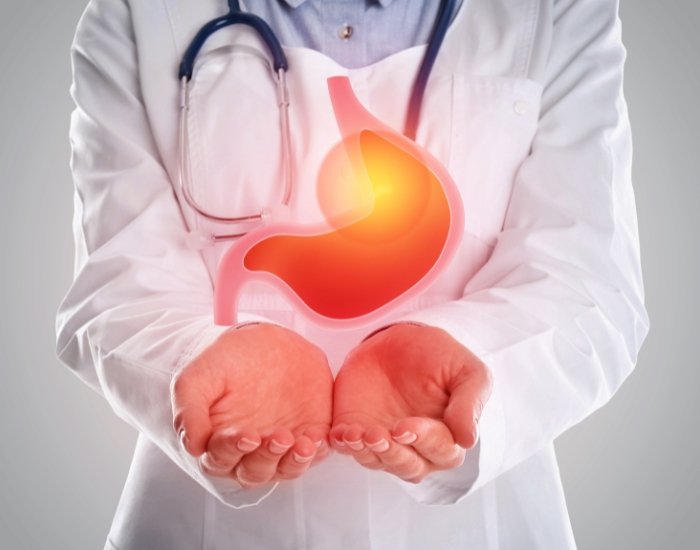
Gastroesophageal reflux disease (GERD) is a chronic condition where stomach acid frequently flows back into the esophagus, causing irritation and discomfort. Many people who start experiencing GERD wonder how long it takes to heal, especially when they follow recommended dietary changes, medications, or lifestyle adjustments. Unlike minor heartburn that may resolve within hours, GERD involves ongoing inflammation that can take time to improve, depending on severity and treatment strategies.
Understanding the healing process for GERD is crucial because it helps set realistic expectations and encourages consistent management. While some individuals experience relief in a few weeks, others may require months of careful monitoring and adjustments to their routine. In this blog, we’ll explore factors affecting GERD healing time, common treatment approaches, and practical tips to support recovery and reduce flare-ups.
Table of Contents
- What Is GERD?
- Factors That Influence GERD Healing Time
- Typical Healing Timeline
- Lifestyle Changes to Support Recovery
- Medications and Their Role in Healing
- Complications That Can Affect Recovery
- When to Consult a Healthcare Provider
- Final Thoughts
1. What Is GERD?
GERD occurs when the lower esophageal sphincter (LES), the valve between the stomach and esophagus, fails to close properly or relaxes inappropriately. This allows stomach acid to flow back into the esophagus, causing irritation, inflammation, and symptoms such as heartburn, regurgitation, chest discomfort, and sometimes difficulty swallowing.
While occasional acid reflux is common, GERD is diagnosed when these symptoms occur frequently — typically more than twice a week — and affect daily life. The ongoing acid exposure can lead to complications like esophagitis, esophageal strictures, or Barrett’s esophagus, making timely treatment and healing essential.
2. Factors That Influence GERD Healing Time
The time it takes for GERD to heal varies widely depending on several factors:
- Severity of the Condition: Individuals with mild inflammation may see symptom relief within a few weeks, while moderate to severe cases can take several months.
- Consistency of Treatment: Following prescribed medications, dietary modifications, and lifestyle changes consistently improves healing outcomes. Skipping doses or ignoring dietary triggers can delay recovery.
- Diet and Lifestyle: Consumption of trigger foods like spicy meals, caffeine, alcohol, or large meals can prolong healing. Maintaining a reflux-friendly diet can accelerate recovery.
- Underlying Health Conditions: Obesity, hiatal hernia, or other digestive issues can increase healing time. Managing these conditions alongside GERD is important for faster improvement.
- Stress Levels: Chronic stress can worsen reflux symptoms and slow the healing process by affecting digestion and increasing stomach acid production.
Each person’s response to treatment is unique, so the healing timeline can vary significantly.
3. Typical Healing Timeline
For many individuals with mild GERD, symptom improvement can be noticed within 2 to 4 weeks of starting treatment, especially when combining medications with dietary and lifestyle changes. In these cases, inflammation in the esophagus begins to subside, and heartburn becomes less frequent. For more severe cases or individuals with chronic reflux, healing may take several months. Esophagitis, which is inflammation of the esophageal lining, can require extended treatment to fully resolve. Regular follow-up with a healthcare provider is often necessary to monitor progress and adjust therapy.
It is important to note that while symptoms may improve, complete healing of the esophageal lining and prevention of long-term damage requires consistent management and adherence to medical advice.
4. Lifestyle Changes to Support Recovery
Lifestyle adjustments play a major role in supporting GERD healing and preventing flare-ups. Adopting smaller, more frequent meals helps reduce stomach pressure and minimizes reflux episodes. Avoiding lying down immediately after eating — ideally waiting 2–3 hours — also aids digestion and keeps acid where it belongs.
Identifying and avoiding trigger foods is another critical step. Common triggers include acidic foods like tomatoes and citrus, caffeine, chocolate, alcohol, and high-fat or fried foods. Maintaining a healthy weight can significantly reduce abdominal pressure, which helps the LES function more effectively.
In addition, sleep positioning can influence healing. Elevating the head of the bed or using a wedge pillow can prevent nighttime reflux, allowing the esophagus to heal more efficiently. Managing stress through relaxation techniques, meditation, or light exercise can also support recovery by reducing acid production and digestive disruptions.
5. Medications and Their Role in Healing
Medications prescribed for GERD are essential for reducing acid exposure and promoting esophageal healing. Proton pump inhibitors (PPIs) are commonly used to decrease stomach acid production and allow inflamed tissue to recover. H2 blockers and antacids may also provide symptom relief and protection for the esophagus. It is crucial to take medications as prescribed and avoid abrupt discontinuation, as this can lead to rebound acid production and delay healing. Your healthcare provider may recommend a gradual reduction once healing is observed, alongside continued lifestyle measures to maintain long-term control.
6. Complications That Can Affect Recovery
Certain complications can extend the healing timeline or make symptoms more persistent. Esophagitis, or inflammation of the esophagus, can take several months to resolve fully. Long-term acid exposure can lead to esophageal strictures, which narrow the esophagus and may require medical procedures for correction. Barrett’s esophagus, a condition where the esophageal lining changes due to chronic acid exposure, requires careful monitoring and can slow the perceived healing process. Awareness and early intervention are key to preventing long-term damage and improving recovery outcomes.
7. When to Consult a Healthcare Provider
It is essential to seek medical guidance if GERD symptoms persist despite lifestyle changes and medications. You should consult a healthcare provider if you experience frequent heartburn, difficulty swallowing, chest pain, vomiting, or unexplained weight loss. A gastroenterologist can perform diagnostic tests such as endoscopy, pH monitoring, or esophageal motility studies to assess the severity of GERD and guide treatment plans. Early intervention can shorten the healing timeline, reduce complications, and improve long-term outcomes.
8. Final Thoughts
GERD is a manageable condition, but healing requires patience, consistency, and a comprehensive approach. The time it takes to heal varies widely, from a few weeks in mild cases to several months in more severe or chronic conditions. By following medical guidance, making lifestyle adjustments, and avoiding trigger foods, most individuals can achieve symptom relief and promote esophageal healing. Understanding that healing is gradual helps set realistic expectations and encourages adherence to treatment plans. With consistent care and monitoring, GERD symptoms can be controlled, reducing discomfort and the risk of complications.
If you are struggling with persistent GERD symptoms and want guidance on healing your digestive system effectively, United Gastroenterology Associates can help. Their team provides personalized treatment plans, lifestyle recommendations, and ongoing support to help you achieve relief and long-term digestive health.
Disclaimer: This blog is intended for general informational purposes only and does not replace professional medical advice. Always consult a qualified healthcare provider for diagnosis and treatment of GERD or related digestive conditions.