
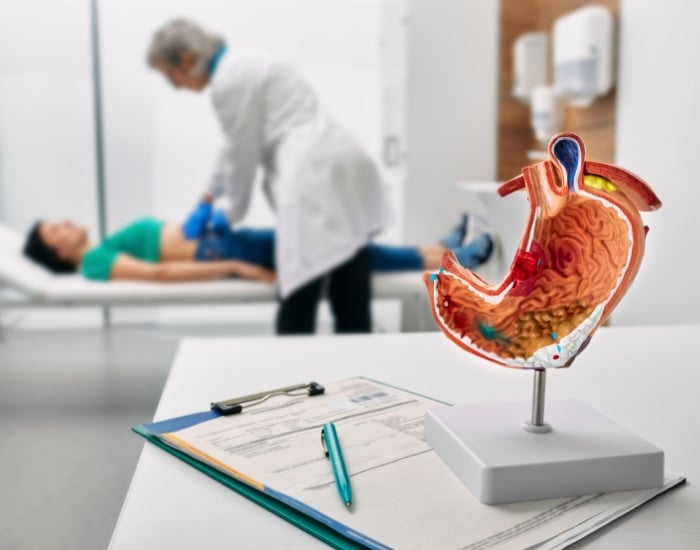
If you are experiencing persistent heartburn, abdominal pain, bloating, constipation, diarrhea, blood in your stool, difficulty swallowing, or unexplained weight loss, it may be time to see a gastroenterologist. At United Gastro, we provide comprehensive digestive health services for patients throughout Cypress, Texas, including preventive screenings, advanced diagnostic testing, and personalized treatment plans for a wide range of gastrointestinal conditions.
Whether you need a routine colonoscopy, evaluation for chronic digestive symptoms, or expert care for liver or pancreatic disorders, our experienced team is committed to helping you achieve better digestive health.
Key Takeaways
✔ Board-certified gastroenterology specialists serving Cypress, TX
✔ Comprehensive care for digestive, liver, pancreas, gallbladder, and colon disorders
✔ Colonoscopy and endoscopy performed using advanced technology
✔ Colon cancer screening and prevention
✔ Personalized treatment for GERD, IBS, Crohn’s disease, ulcerative colitis, fatty liver disease, and more
✔ Serving patients throughout Cypress, including ZIP codes 77429, 77433, and 77410
Table of Contents
- What Is Gastroenterology?
- Why Digestive Health Matters
- Common Digestive Symptoms You Should Never Ignore
- When Should You See a Gastroenterologist?
- Digestive Conditions We Diagnose and Treat
- Colonoscopy: Everything You Need to Know
- Upper Endoscopy Guide
- Advanced Diagnostic Testing
- Digestive Health Prevention Tips
- Healthy Eating for Better Digestion
- Why Choose United Gastro
- Frequently Asked Questions
Expert Gastroenterology Care for Cypress, Texas
Digestive health plays a vital role in your overall well-being. From occasional acid reflux to chronic inflammatory bowel disease, gastrointestinal conditions can significantly affect your quality of life if left untreated.
At United Gastro, we are dedicated to providing high-quality gastroenterology care for individuals and families throughout Cypress and the surrounding communities. Our physicians combine years of clinical experience with advanced diagnostic technology to accurately identify digestive disorders and develop personalized treatment plans.
We care for patients experiencing both common and complex digestive conditions and emphasize early diagnosis, preventive care, and long-term management to help patients achieve lasting relief.
Whether you need a screening colonoscopy, treatment for chronic acid reflux, evaluation of persistent abdominal pain, or management of liver disease, our team is here to help.
What Is Gastroenterology?
Gastroenterology is the medical specialty focused on diagnosing, treating, and preventing diseases affecting the digestive system.
A gastroenterologist specializes in conditions involving:
- Esophagus
- Stomach
- Small intestine
- Large intestine (colon)
- Rectum
- Liver
- Gallbladder
- Pancreas
Because the digestive system is responsible for processing nutrients, supporting immunity, and eliminating waste, problems affecting any part of this system can have widespread effects on your overall health.
Modern gastroenterology combines advanced medical knowledge with sophisticated diagnostic procedures, allowing physicians to identify problems early and provide highly effective treatments.
Why Digestive Health Matters
Many people ignore digestive symptoms, assuming they will improve on their own. While occasional indigestion may not be serious, persistent symptoms can indicate an underlying condition that requires medical attention.
Early evaluation by a gastroenterologist can help identify conditions before they become more serious.
Benefits of early diagnosis include:
- More effective treatment
- Prevention of complications
- Lower risk of hospitalization
- Improved quality of life
- Earlier detection of colon cancer
- Better nutritional health
- Reduced long-term healthcare costs
Preventive care is especially important because many digestive diseases develop gradually and may not cause noticeable symptoms in their early stages.
Common Digestive Symptoms You Should Never Ignore
Digestive symptoms can range from mild discomfort to signs of serious disease. While some symptoms may result from temporary dietary changes or viral illnesses, persistent or recurring problems should always be evaluated by a gastroenterologist.
Common symptoms include:
Heartburn and Acid Reflux
Frequent heartburn is one of the most common digestive complaints among adults. If you experience burning chest discomfort more than twice per week, you may have gastroesophageal reflux disease (GERD).
Without proper treatment, chronic acid reflux can damage the lining of the esophagus and increase the risk of complications.
Common symptoms include:
- Burning sensation in the chest
- Sour taste in the mouth
- Chronic cough
- Hoarseness
- Difficulty swallowing
- Regurgitation after meals
Early treatment can help prevent long-term damage while significantly improving quality of life.
Abdominal Pain
Abdominal pain may originate from the stomach, intestines, gallbladder, pancreas, liver, or other digestive organs.
Pain that is severe, persistent, or recurrent should never be ignored.
Possible causes include:
- Gastritis
- Peptic ulcers
- Gallstones
- Irritable bowel syndrome (IBS)
- Diverticulitis
- Inflammatory bowel disease
- Pancreatitis
- Appendicitis
- Colon disorders
The location, duration, severity, and associated symptoms help your gastroenterologist determine the underlying cause.
Bloating and Excessive Gas
Occasional bloating is common, but frequent abdominal bloating or excessive gas may indicate digestive disorders such as:
- Food intolerances
- IBS
- Small intestinal bacterial overgrowth (SIBO)
- Celiac disease
- Constipation
- Digestive enzyme deficiencies
If bloating interferes with your daily life or is accompanied by weight loss, persistent pain, or changes in bowel habits, a medical evaluation is recommended.
Constipation
Constipation is more than simply having infrequent bowel movements. It may involve:
- Hard stools
- Straining
- Feeling of incomplete emptying
- Fewer than three bowel movements per week
- Abdominal discomfort
Chronic constipation can affect daily life and may be linked to dietary factors, medications, thyroid disorders, neurological conditions, or structural abnormalities within the colon.
A gastroenterologist can determine the underlying cause and recommend appropriate lifestyle changes, medications, or further testing.
Diarrhea
Occasional diarrhea often resolves without treatment, but diarrhea lasting more than several days or recurring frequently requires medical evaluation.
Persistent diarrhea may result from:
- Infections
- IBS
- Crohn’s disease
- Ulcerative colitis
- Celiac disease
- Food intolerances
- Microscopic colitis
- Pancreatic disorders
Ignoring chronic diarrhea can lead to dehydration, nutritional deficiencies, and reduced quality of life.
Blood in Your Stool: Never Ignore This Symptom
Seeing blood in your stool can be alarming, but it is a symptom that should always be evaluated by a gastroenterologist. While hemorrhoids are one of the most common causes, rectal bleeding may also indicate more serious conditions such as colon polyps, inflammatory bowel disease (IBD), diverticular disease, or colorectal cancer.
The appearance of the blood can provide important clues about the possible source of bleeding:
| Symptom | Possible Cause |
|---|---|
| Bright red blood | Hemorrhoids, anal fissure, rectal bleeding |
| Dark red blood | Colon bleeding, diverticulosis |
| Black, tarry stool | Bleeding from the stomach or upper digestive tract |
Seek immediate medical attention if bleeding is heavy or accompanied by dizziness, severe abdominal pain, weakness, or fainting.
Difficulty Swallowing (Dysphagia)
Difficulty swallowing is not a normal part of aging. If food feels like it is getting stuck in your throat or chest, or swallowing becomes painful, it should be evaluated promptly.
Common causes include:
- GERD
- Esophageal strictures
- Esophagitis
- Eosinophilic esophagitis (EoE)
- Esophageal motility disorders
- Esophageal cancer
Upper endoscopy is often the best test to determine the cause and begin appropriate treatment.
Unexplained Weight Loss
Losing weight without trying may be a sign of an underlying digestive condition.
Potential causes include:
- Colon cancer
- Stomach cancer
- Pancreatic disease
- Crohn’s disease
- Ulcerative colitis
- Celiac disease
- Chronic liver disease
If you have unintentionally lost more than 10 pounds or 5% of your body weight within six to twelve months, schedule a medical evaluation.
Persistent Nausea and Vomiting
Occasional nausea may result from a viral illness or food poisoning. However, ongoing nausea or vomiting should not be ignored.
Possible causes include:
- Gastritis
- Peptic ulcer disease
- Gallbladder disease
- Gastroparesis
- Pancreatitis
- Intestinal obstruction
- Medication side effects
Persistent vomiting can lead to dehydration and nutritional deficiencies, making prompt diagnosis important.
Changes in Your Bowel Habits
Changes that last more than a few weeks may indicate an underlying digestive disorder.
Watch for:
- New constipation
- Chronic diarrhea
- Alternating constipation and diarrhea
- Narrow stools
- Increased urgency
- Incomplete bowel movements
These symptoms may be associated with IBS, inflammatory bowel disease, colon polyps, or colorectal cancer.
When Should You See a Gastroenterologist?
Many people delay seeing a specialist, hoping symptoms will resolve on their own. Early evaluation can often prevent complications and lead to more effective treatment.
Consider scheduling an appointment if you experience:
- Heartburn more than twice a week
- Ongoing abdominal pain
- Frequent bloating
- Chronic constipation
- Persistent diarrhea
- Blood in your stool
- Difficulty swallowing
- Chronic nausea
- Family history of colon cancer
- Family history of inflammatory bowel disease
- Unexplained weight loss
- Abnormal liver blood tests
- Positive stool test results
- Need for colon cancer screening
When Should You Seek Emergency Care?
Some digestive symptoms require immediate medical attention.
Go to the nearest emergency department if you experience:
- Severe abdominal pain that starts suddenly
- Vomiting blood
- Black, tarry stools with weakness
- Heavy rectal bleeding
- Severe dehydration
- Persistent vomiting
- High fever with severe abdominal pain
- Inability to pass stool or gas with severe abdominal swelling
- Loss of consciousness
These symptoms may indicate a medical emergency requiring urgent evaluation.
Digestive Symptom Checker
Digestive symptoms can range from mild discomfort to signs of a more serious condition. Use the table below as a general guide to understand when it may be time to schedule an appointment with a gastroenterologist.
| Your Symptom | Possible Condition | Should You See a GI Doctor? |
|---|---|---|
| Frequent heartburn | GERD | Yes |
| Difficulty swallowing | Esophageal disorder | Yes |
| Chronic bloating | IBS, SIBO | Yes |
| Blood in stool | Polyps, hemorrhoids, colon disease | Yes |
| Persistent diarrhea | IBS, IBD, infection | Yes |
| Chronic constipation | Colon disorders | Yes |
| Unexplained weight loss | Serious digestive disease | Yes |
| Abdominal pain | Multiple digestive disorders | Yes |
Digestive Conditions We Diagnose and Treat
At United Gastro, our physicians diagnose and manage a comprehensive range of digestive diseases using evidence-based medicine and advanced diagnostic technology.
Gastroesophageal Reflux Disease (GERD)
GERD occurs when stomach acid repeatedly flows back into the esophagus.
Common symptoms include:
- Heartburn
- Sour taste
- Chronic cough
- Chest discomfort
- Hoarseness
- Difficulty swallowing
Treatment options may include lifestyle modifications, medications, and endoscopic evaluation when necessary.
Irritable Bowel Syndrome (IBS)
IBS is one of the most common gastrointestinal disorders.
Symptoms include:
- Abdominal pain
- Bloating
- Constipation
- Diarrhea
- Mixed bowel habits
- Gas
Although IBS does not damage the intestines, it can significantly affect quality of life. Personalized treatment plans can help reduce symptoms and improve daily functioning.
Crohn’s Disease
Crohn’s disease is a chronic inflammatory bowel disease that can affect any part of the digestive tract.
Common symptoms include:
- Chronic diarrhea
- Abdominal pain
- Fatigue
- Weight loss
- Rectal bleeding
Early diagnosis and ongoing management are essential to reduce inflammation and prevent complications.
Ulcerative Colitis
Ulcerative colitis affects the lining of the large intestine and rectum.
Symptoms may include:
- Bloody diarrhea
- Urgency
- Abdominal cramping
- Fatigue
- Weight loss
Long-term monitoring helps reduce complications and supports better disease control.
Colon Polyps
Colon polyps are growths inside the colon that often cause no symptoms. Some polyps can become cancerous over time.
Routine colonoscopy allows physicians to detect and remove polyps before they develop into colorectal cancer, making screening one of the most effective preventive measures available.
Diverticular Disease
Small pouches can form in the wall of the colon as people age.
Most cause no symptoms, but inflammation or infection can lead to diverticulitis, resulting in:
- Lower abdominal pain
- Fever
- Constipation
- Nausea
Prompt treatment helps prevent serious complications.
Comprehensive Digestive Conditions We Diagnose and Treat
At United Gastro, we believe that early diagnosis and personalized treatment are the keys to long-term digestive health. Our board-certified gastroenterologists care for patients with common digestive concerns as well as complex gastrointestinal, liver, pancreatic, and biliary disorders. Using advanced diagnostic technology and evidence-based treatment plans, we help patients throughout Cypress achieve better health and improved quality of life.
Fatty Liver Disease (MASLD/NAFLD)
Fatty liver disease, now commonly referred to as Metabolic Dysfunction-Associated Steatotic Liver Disease (MASLD), is one of the fastest-growing liver conditions in the United States. Many patients have no symptoms, allowing the disease to progress silently over time.
Risk Factors
- Type 2 diabetes
- Obesity
- High cholesterol
- High blood pressure
- Metabolic syndrome
- Family history
Possible Symptoms
- Fatigue
- Discomfort in the upper right abdomen
- Elevated liver enzymes
- Enlarged liver
Without treatment, fatty liver disease may progress to liver inflammation, fibrosis, cirrhosis, or liver failure.
How United Gastro Helps
Our specialists evaluate liver health using advanced testing and personalized treatment plans that may include:
- Lifestyle counseling
- Weight management
- Nutrition guidance
- Diabetes management
- Fibrosis assessment
- Long-term liver monitoring
Hepatitis
Hepatitis refers to inflammation of the liver and may result from viral infections, medications, alcohol, autoimmune disease, or metabolic disorders.
Types of Hepatitis
- Hepatitis A
- Hepatitis B
- Hepatitis C
- Autoimmune hepatitis
- Drug-induced hepatitis
Symptoms
- Fatigue
- Yellowing of the skin (jaundice)
- Dark urine
- Nausea
- Loss of appetite
- Abdominal discomfort
Early diagnosis can prevent permanent liver damage and improve treatment outcomes.
Gallbladder Disease
The gallbladder stores bile that helps digest fats. Gallstones and gallbladder inflammation are common digestive disorders.
Symptoms
- Pain in the upper right abdomen
- Pain after fatty meals
- Nausea
- Vomiting
- Fever
- Indigestion
Our physicians coordinate appropriate testing and treatment to determine whether medication, lifestyle changes, or surgery may be necessary.
Pancreatitis
The pancreas plays an essential role in digestion and blood sugar regulation.
Inflammation of the pancreas can be acute or chronic.
Symptoms
- Severe upper abdominal pain
- Pain radiating to the back
- Nausea
- Vomiting
- Fever
- Abdominal tenderness
Pancreatitis requires prompt medical evaluation because severe cases can become life-threatening.
Celiac Disease
Celiac disease is an autoimmune disorder triggered by gluten.
Even small amounts of gluten can damage the lining of the small intestine.
Common Symptoms
- Chronic diarrhea
- Bloating
- Weight loss
- Fatigue
- Iron deficiency anemia
- Vitamin deficiencies
- Abdominal pain
Diagnosis often involves blood testing followed by upper endoscopy with biopsy.
Hemorrhoids
Hemorrhoids are swollen veins around the anus or rectum.
Although common, they should not automatically be assumed to be the cause of rectal bleeding.
Symptoms
- Bright red bleeding
- Pain
- Itching
- Swelling
- Discomfort during bowel movements
A proper evaluation ensures that more serious conditions such as colon cancer are not overlooked.
Colon Cancer Prevention Starts with Screening
Colorectal cancer is one of the most preventable forms of cancer when detected early.
Unfortunately, many patients have no symptoms until the disease has progressed.
Risk Factors
- Age 45 or older
- Family history of colon cancer
- Colon polyps
- Inflammatory bowel disease
- Smoking
- Obesity
- Diabetes
- Diet high in processed meat
Possible Warning Signs
- Blood in stool
- Unexplained weight loss
- Persistent abdominal pain
- Changes in bowel habits
- Iron deficiency anemia
Routine screening saves lives because precancerous polyps can often be removed before they become cancer.
Colonoscopy: The Gold Standard for Colon Cancer Screening
A colonoscopy is one of the most effective procedures available for preventing colorectal cancer.
Unlike many screening tests that only detect disease, colonoscopy can identify and remove precancerous polyps during the same procedure.
Reasons You May Need a Colonoscopy
- Routine screening beginning at age 45 for most adults
- Blood in the stool
- Chronic diarrhea
- Persistent constipation
- Iron deficiency anemia
- Family history of colon cancer
- History of colon polyps
- Unexplained abdominal pain
- Positive stool-based screening test
What Happens During a Colonoscopy?
A colonoscopy is performed using a thin, flexible tube equipped with a tiny camera.
During the procedure, your gastroenterologist carefully examines the entire colon for abnormalities.
If polyps are found, they are often removed immediately.
Biopsies can also be obtained if necessary.
Most patients are comfortably sedated throughout the procedure and typically do not remember it afterward.
Benefits of Colonoscopy
- Detects colon cancer early
- Prevents cancer by removing precancerous polyps
- Evaluates rectal bleeding
- Investigates chronic diarrhea
- Examines chronic constipation
- Identifies inflammatory bowel disease
- Evaluates unexplained abdominal pain
Colonoscopy vs. Stool-Based Tests
Both colonoscopy and stool-based screening tests play important roles in colorectal cancer detection. Understanding the differences can help you make informed decisions about your digestive health and cancer screening options.
| Colonoscopy | Stool-Based Tests |
|---|---|
| Examines the entire colon | Detects hidden blood or abnormal DNA |
| Can remove polyps immediately | Cannot remove polyps |
| Performed every 10 years for average-risk adults if results are normal | Requires more frequent testing |
| Most comprehensive screening method | Positive results require a follow-up colonoscopy |
For many patients, colonoscopy remains the most complete and effective method of colorectal cancer prevention because it can both detect and remove precancerous polyps during the same procedure.
Is Colonoscopy Painful?
This is one of the most common questions we hear.
The answer is generally no.
Because sedation is typically used, most patients sleep comfortably throughout the procedure and experience little or no discomfort.
Afterward, mild bloating or gas may occur temporarily but usually resolves within a few hours.
Preparing for Your Colonoscopy
A successful colonoscopy begins with proper bowel preparation.
Preparation typically includes:
- Following a clear liquid diet the day before
- Taking the prescribed bowel cleansing solution exactly as instructed
- Drinking plenty of fluids
- Temporarily stopping certain medications if directed by your physician
- Arranging for someone to drive you home after sedation
A clean colon allows your physician to detect even very small polyps, improving the accuracy of the examination.
Why Choose United Gastro for Colonoscopy in Cypress?
- Board-certified gastroenterologists
- Advanced endoscopy technology
- Comfortable outpatient procedures
- Personalized patient care
- Thorough colon cancer screening
- Experienced nursing team
- Convenient location serving Cypress and surrounding communities
- Focus on patient safety, comfort, and preventive care
Upper Endoscopy (EGD): A Complete Guide
Upper endoscopy, also known as esophagogastroduodenoscopy (EGD), is one of the most valuable diagnostic procedures in gastroenterology. It allows your gastroenterologist to examine the lining of the esophagus, stomach, and the first part of the small intestine (duodenum) using a thin, flexible tube with a high-definition camera.
Unlike imaging tests, an upper endoscopy enables your physician to directly visualize abnormalities, obtain tissue biopsies when necessary, and treat certain conditions during the same procedure.
At United Gastro, we perform upper endoscopy using advanced technology while prioritizing patient comfort, safety, and accurate diagnosis.
When Do You Need an Upper Endoscopy?
Your gastroenterologist may recommend an upper endoscopy if you experience persistent digestive symptoms that cannot be explained through routine testing.
Common reasons include:
- Chronic acid reflux (GERD)
- Frequent heartburn
- Difficulty swallowing (dysphagia)
- Painful swallowing
- Persistent nausea or vomiting
- Upper abdominal pain
- Chronic indigestion
- Stomach ulcers
- Unexplained anemia
- Vomiting blood
- Black or tarry stools
- Suspected celiac disease
- Barrett’s esophagus surveillance
- Evaluation of abnormal imaging studies
Early diagnosis allows many digestive conditions to be treated before complications develop.
What Conditions Can an Upper Endoscopy Diagnose?
An upper endoscopy helps diagnose a wide variety of upper gastrointestinal disorders, including:
Esophageal Conditions
- GERD
- Barrett’s Esophagus
- Esophagitis
- Esophageal strictures
- Esophageal ulcers
- Esophageal cancer
- Eosinophilic esophagitis (EoE)
Stomach Conditions
- Gastritis
- Peptic ulcers
- Stomach polyps
- H. pylori infection
- Stomach cancer
- Gastric bleeding
Small Intestine Conditions
- Celiac disease
- Duodenal ulcers
- Inflammation
- Malabsorption disorders
What Happens During an Upper Endoscopy?
The procedure is typically completed within 15 to 30 minutes.
Step 1: Sedation
Most patients receive IV sedation to help them relax and remain comfortable.
Step 2: Examination
A thin flexible endoscope is gently inserted through the mouth into the esophagus, stomach, and duodenum.
The physician carefully examines the digestive tract using a high-definition camera displayed on a monitor.
Step 3: Biopsy (If Needed)
Tiny tissue samples may be collected to evaluate:
- Celiac disease
- Barrett’s esophagus
- H. pylori infection
- Inflammation
- Cancer
- Other abnormalities
Biopsies are painless and are commonly performed during the procedure.
Is an Upper Endoscopy Painful?
One of the most common concerns patients have is whether an upper endoscopy is painful.
For most people, the answer is no.
Because sedation is used, patients usually sleep comfortably during the examination and remember very little afterward.
Many patients return to their normal activities the following day.
Upper Endoscopy (EGD) vs. Colonoscopy
Although these procedures are often discussed together, they evaluate different parts of the digestive tract and serve different diagnostic purposes.
| Upper Endoscopy (EGD) | Colonoscopy |
|---|---|
| Examines the esophagus, stomach, and duodenum | Examines the colon and rectum |
| Evaluates acid reflux and ulcers | Screens for colon cancer |
| Diagnoses swallowing disorders | Removes colon polyps |
| Detects stomach diseases | Evaluates lower GI bleeding |
| Usually takes 15–30 minutes | Usually takes 20–40 minutes |
Some patients may benefit from having both procedures performed during the same visit, depending on their symptoms, medical history, and screening needs.
Advanced Diagnostic Testing at United Gastro
Accurate diagnosis begins with advanced technology. At United Gastro, we use modern diagnostic tools to identify digestive disorders efficiently and develop personalized treatment plans.
Colonoscopy
The gold standard for colon cancer screening and evaluation of lower gastrointestinal symptoms.
Upper Endoscopy (EGD)
Provides a detailed examination of the upper digestive tract.
FibroScan®
FibroScan is a non-invasive test that measures liver stiffness and helps assess fatty liver disease and liver fibrosis without surgery.
Benefits include:
- No needles
- No anesthesia
- No recovery time
- Quick results
- Comfortable procedure
Capsule Endoscopy
For certain patients, capsule endoscopy provides detailed images of the small intestine using a tiny camera inside a swallowable capsule.
This technology helps diagnose:
- Small bowel bleeding
- Crohn’s disease
- Polyps
- Small intestine tumors
Breath Testing
Breath tests can help diagnose:
- Small Intestinal Bacterial Overgrowth (SIBO)
- Lactose intolerance
- Fructose intolerance
Laboratory Testing
Our physicians may recommend blood tests or stool studies to evaluate:
- Liver function
- Pancreatic disorders
- Inflammatory bowel disease
- Celiac disease
- Digestive infections
- Nutritional deficiencies
Personalized Treatment Plans
No two digestive conditions are exactly alike. That’s why every treatment plan at United Gastro is tailored to each patient’s symptoms, diagnosis, medical history, and lifestyle.
Treatment may include:
- Lifestyle modifications
- Nutritional counseling
- Prescription medications
- Endoscopic procedures
- Colon polyp removal
- Monitoring chronic conditions
- Preventive screenings
- Long-term disease management
Our goal is not only to relieve symptoms but also to improve long-term digestive health and prevent future complications.
Diet and Lifestyle Tips for Better Digestive Health
Healthy daily habits play an important role in preventing digestive disorders and supporting treatment.
Eat a Fiber-Rich Diet
Include:
- Fruits
- Vegetables
- Whole grains
- Beans
- Lentils
Fiber supports regular bowel movements and promotes a healthy gut microbiome.
Stay Hydrated
Drinking enough water helps prevent constipation and supports normal digestion.
Exercise Regularly
Physical activity improves intestinal movement and supports overall digestive health.
Aim for at least 150 minutes of moderate exercise each week, as recommended by your healthcare provider.
Maintain a Healthy Weight
Excess body weight increases the risk of:
- GERD
- Fatty liver disease
- Colon cancer
- Gallbladder disease
Even modest weight loss can improve digestive health.
Limit Alcohol
Excessive alcohol intake can damage the liver, pancreas, and stomach lining.
Avoid Tobacco
Smoking increases the risk of:
- GERD
- Stomach ulcers
- Crohn’s disease
- Colon polyps
- Colorectal cancer
Manage Stress
Stress can worsen digestive symptoms, especially in patients with IBS and functional gastrointestinal disorders.
Helpful strategies include:
- Walking
- Yoga
- Meditation
- Adequate sleep
- Relaxation exercises
Why Patients Choose United Gastro in Cypress
Patients throughout Cypress trust United Gastro because we combine medical expertise with compassionate, patient-centered care.
What Sets Us Apart?
- Board-certified gastroenterologists with extensive experience
- Comprehensive evaluation and treatment of digestive disorders
- Advanced diagnostic technology, including colonoscopy, upper endoscopy, and FibroScan
- Personalized treatment plans tailored to each patient
- Comfortable outpatient procedures
- Focus on preventive care and early detection
- Convenient scheduling
- Friendly and experienced clinical staff
- Commitment to patient education and long-term digestive wellness
Whether you need routine colon cancer screening, evaluation of chronic digestive symptoms, or management of a complex gastrointestinal condition, our team is dedicated to delivering high-quality care close to home.
Proudly Serving Cypress, Texas
United Gastro proudly provides comprehensive gastroenterology services for patients throughout Cypress and neighboring communities, including:
- Cypress 77429
- Cypress 77433
- Cypress 77410
- Bridgeland
- Towne Lake
- Fairfield
- Coles Crossing
- Cypress Creek Lakes
- Blackhorse Ranch
- Copperfield
- Jersey Village
- Northwest Houston
Our convenient location makes it easy for patients across the Cypress area to access expert digestive care without traveling far from home.
Frequently Asked Questions (FAQs)
1. When should I see a gastroenterologist?
You should schedule an appointment if you have persistent heartburn, abdominal pain, bloating, constipation, diarrhea, blood in your stool, difficulty swallowing, unexplained weight loss, or a family history of colon cancer. Symptoms lasting more than two weeks should not be ignored.
2. What does a gastroenterologist treat?
A gastroenterologist diagnoses and treats conditions affecting the digestive system, including:
- GERD (acid reflux)
- IBS
- Crohn’s disease
- Ulcerative colitis
- Colon polyps
- Colon cancer
- Fatty liver disease
- Hepatitis
- Gallbladder disease
- Pancreatitis
- Celiac disease
- Hemorrhoids
- Constipation
- Diarrhea
- Stomach ulcers
3. At what age should I have my first colonoscopy?
Most adults at average risk should begin colorectal cancer screening at age 45. If you have a family history of colorectal cancer or certain medical conditions, your doctor may recommend screening at an earlier age.
4. How often should I have a colonoscopy?
For many average-risk adults with normal results, a colonoscopy is recommended every 10 years. Your screening interval may be shorter depending on your medical history, family history, or colonoscopy findings.
5. Is a colonoscopy painful?
Most patients receive sedation and remain comfortable throughout the procedure. Many remember little or nothing about the examination.
6. What is the difference between a colonoscopy and an endoscopy?
A colonoscopy examines the colon and rectum, while an upper endoscopy (EGD) examines the esophagus, stomach, and upper small intestine.
7. Do I need a referral to see a gastroenterologist?
Many insurance plans allow direct access to a gastroenterologist, while others require a referral from your primary care physician. Our office can help verify your insurance requirements.
8. What causes chronic acid reflux?
Common causes include:
- Weak lower esophageal sphincter
- Obesity
- Hiatal hernia
- Certain foods and beverages
- Smoking
- Pregnancy
- Some medications
9. When is bloating considered serious?
Occasional bloating is common. However, persistent bloating accompanied by weight loss, severe pain, blood in the stool, vomiting, or changes in bowel habits should be evaluated promptly.
10. What are the symptoms of IBS?
IBS symptoms often include:
- Abdominal pain
- Bloating
- Gas
- Constipation
- Diarrhea
- Changes in bowel habits
11. Can fatty liver disease be reversed?
In many cases, early-stage fatty liver disease can improve with weight loss, healthy eating, regular exercise, and management of conditions such as diabetes and high cholesterol.
12. What foods help improve digestive health?
A balanced diet rich in:
- Fruits
- Vegetables
- Whole grains
- Lean proteins
- Healthy fats
- High-fiber foods
can support healthy digestion. Your gastroenterologist may recommend dietary changes based on your specific condition.
13. What are colon polyps?
Colon polyps are growths on the lining of the colon. While many are benign, some can develop into colorectal cancer over time. Colonoscopy allows for early detection and removal.
14. Is blood in the stool always caused by hemorrhoids?
No. Although hemorrhoids are common, blood in the stool may also be caused by colon polyps, inflammatory bowel disease, diverticular disease, or colorectal cancer. Medical evaluation is recommended.
15. What happens if GERD is left untreated?
Untreated GERD can lead to complications such as esophagitis, esophageal ulcers, narrowing of the esophagus, Barrett’s esophagus, and an increased risk of esophageal cancer.
16. What is Barrett’s Esophagus?
Barrett’s esophagus is a condition in which the lining of the esophagus changes due to long-term acid reflux. It requires monitoring because it can increase the risk of esophageal cancer.
17. How long does an upper endoscopy take?
Most upper endoscopy procedures take 15–30 minutes, with additional time for preparation and recovery from sedation.
18. Can digestive problems cause fatigue?
Yes. Conditions such as anemia, inflammatory bowel disease, celiac disease, liver disease, and chronic gastrointestinal bleeding may contribute to fatigue.
19. What is FibroScan?
FibroScan is a non-invasive test used to evaluate liver stiffness and fatty liver disease without the need for a liver biopsy in many patients.
20. How can I schedule an appointment at United Gastro?
Our team is committed to providing timely, compassionate care. Contact United Gastro to schedule an appointment, discuss your symptoms, or learn more about our digestive health services.
Why Choose United Gastro?
When it comes to your digestive health, choosing the right gastroenterology practice is essential. At United Gastro, we combine advanced technology, clinical expertise, and compassionate care to provide personalized treatment for every patient.
Our Commitment to You
- Board-certified gastroenterologists
- Advanced diagnostic technology
- Comprehensive digestive health services
- Personalized treatment plans
- Colon cancer prevention and screening
- Compassionate, patient-centered care
- Convenient access for Cypress residents
- Evidence-based medical care
- Experienced clinical team
- Focus on long-term digestive wellness
Proudly Serving Cypress and Surrounding Communities
United Gastro proudly serves patients throughout:
- Cypress
- Bridgeland
- Towne Lake
- Fairfield
- Coles Crossing
- Copperfield
- Jersey Village
- Cypress Creek Lakes
- Blackhorse Ranch
- Northwest Houston
Including ZIP codes:
- 77429
- 77433
- 77410
Trusted Medical Resources
For additional information about digestive health, colorectal cancer screening, and gastrointestinal conditions, visit trusted organizations such as:
- American College of Gastroenterology (ACG)
- American Gastroenterological Association (AGA)
- American Society for Gastrointestinal Endoscopy (ASGE)
- National Institute of Diabetes and Digestive and Kidney Diseases (NIDDK)
- Centers for Disease Control and Prevention (CDC)
- American Cancer Society (ACS)
Take Charge of Your Digestive Health Today
Digestive symptoms can affect every aspect of your life, from your comfort and energy levels to your long-term health. While occasional digestive issues are common, persistent symptoms should never be ignored. Early evaluation can lead to earlier diagnosis, more effective treatment, and better outcomes.
Whether you need a routine colonoscopy, evaluation for acid reflux, treatment for IBS, management of fatty liver disease, or expert care for a more complex digestive condition, the experienced team at United Gastro is here to help.
We are committed to delivering compassionate, evidence-based gastroenterology care using advanced diagnostic technology and personalized treatment plans tailored to your needs.
If you’re experiencing digestive symptoms or are due for colorectal cancer screening, don’t wait. Taking action today can help protect your health for years to come.
Schedule Your Appointment with United Gastro
Your digestive health deserves expert attention. Contact United Gastro today to schedule a consultation with one of our experienced gastroenterologists and take the first step toward better digestive wellness.
Healthy digestion starts with expert care—and we’re here to help every step of the way.
Why Early Gastroenterology Care Can Protect Your Long-Term Health
Many digestive diseases begin with mild symptoms that people dismiss as “just indigestion” or “something I ate.” However, persistent digestive symptoms may be the earliest warning signs of conditions that are much easier to treat when detected early.
Seeking evaluation from a gastroenterologist can help identify problems before they become more serious. Early diagnosis often means more treatment options, fewer complications, and better long-term outcomes.
Benefits of early evaluation include:
- Earlier diagnosis of digestive diseases
- Prevention of complications
- Reduced risk of hospitalization
- Better symptom control
- Improved quality of life
- Early detection and prevention of colorectal cancer
- Personalized treatment plans based on your individual health needs
Conditions That May Require Immediate Medical Attention
While many digestive conditions can be evaluated during a scheduled office visit, certain symptoms require emergency medical care.
Seek immediate medical attention if you experience:
- Severe or sudden abdominal pain
- Vomiting blood
- Black, tarry stools
- Heavy rectal bleeding
- Difficulty swallowing with inability to eat or drink
- Persistent vomiting with dehydration
- Severe abdominal swelling
- High fever with severe abdominal pain
- Yellowing of the skin with confusion
- Loss of consciousness
If you are unsure whether your symptoms are an emergency, seek medical evaluation immediately.
Your Digestive Health Journey at United Gastro
Step 1 – Schedule Your Consultation
Our team reviews your symptoms, medical history, medications, previous procedures, and family history to better understand your digestive health concerns.
Step 2 – Comprehensive Evaluation
Your gastroenterologist performs a detailed assessment and recommends any necessary laboratory tests, imaging, colonoscopy, upper endoscopy, or specialized diagnostic procedures.
Step 3 – Personalized Treatment Plan
Every patient receives an individualized care plan that may include medication, dietary recommendations, lifestyle changes, surveillance, or minimally invasive procedures.
Step 4 – Ongoing Follow-Up
Digestive health often requires long-term management. We partner with you to monitor progress, adjust treatment when needed, and help you maintain optimal digestive wellness.
Why Patients Across Cypress Trust United Gastro
Patients choose United Gastro because they value:
- Experienced, board-certified gastroenterologists
- Personalized, compassionate care
- Advanced diagnostic technology
- Comfortable outpatient procedures
- Evidence-based treatment recommendations
- Clear communication and patient education
- A strong focus on prevention and long-term health
Our goal is not only to treat digestive disease but also to help every patient achieve lasting digestive wellness.
Serving Cypress and Nearby Communities
United Gastro proudly cares for patients throughout:
- Cypress
- Bridgeland
- Towne Lake
- Fairfield
- Coles Crossing
- Cypress Creek Lakes
- Blackhorse Ranch
- Copperfield
- Jersey Village
- Northwest Houston
Including ZIP codes:
- 77429
- 77433
- 77410
What is the best gastroenterologist in Cypress, TX?
United Gastro provides comprehensive digestive care, including colonoscopy, upper endoscopy, colorectal cancer screening, GERD treatment, IBS management, liver disease evaluation, and care for many other gastrointestinal conditions.
Where can I get a colonoscopy in Cypress?
United Gastro offers screening and diagnostic colonoscopies using advanced technology to help detect and prevent colorectal cancer.
When should I see a GI doctor for stomach pain?
If stomach pain is severe, recurrent, lasts more than a few days, or is accompanied by vomiting, weight loss, fever, or blood in the stool, you should schedule an evaluation with a gastroenterologist.
Does United Gastro treat acid reflux?
Yes. United Gastro evaluates and treats GERD, chronic heartburn, Barrett’s esophagus, swallowing disorders, and related conditions using evidence-based care.
Can a gastroenterologist help with bloating and IBS?
Yes. Persistent bloating, abdominal discomfort, constipation, diarrhea, or IBS symptoms should be evaluated to identify the underlying cause and develop a personalized treatment plan.
Final Message
Your digestive health is essential to your overall well-being. Whether you’re due for a preventive colonoscopy, struggling with chronic digestive symptoms, or seeking expert evaluation for a complex gastrointestinal condition, United Gastro is committed to delivering high-quality, patient-centered care close to home.
Don’t ignore ongoing digestive symptoms. Early diagnosis and treatment can make a significant difference in your health and quality of life.
Schedule your appointment with United Gastro today and take the first step toward better digestive health.