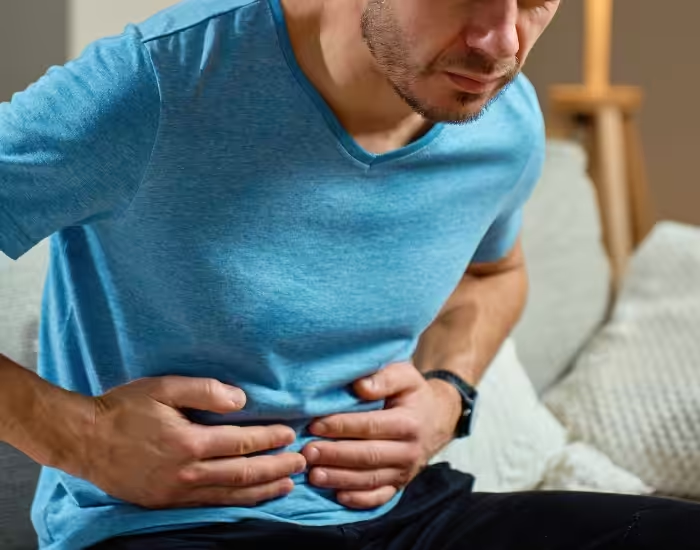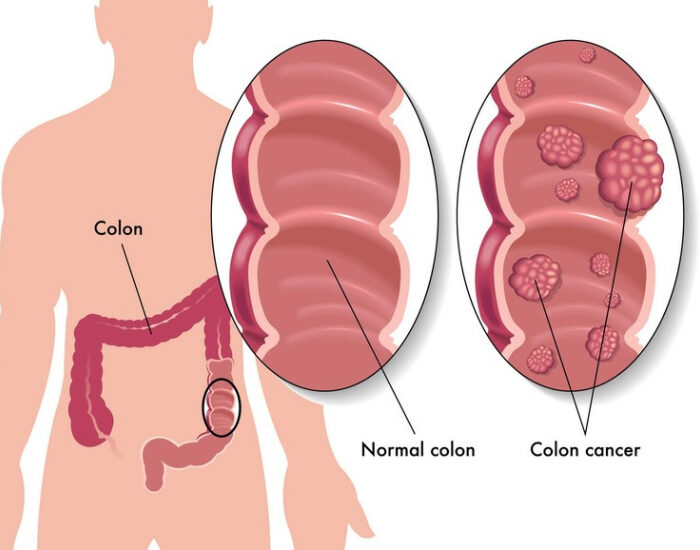
What causes gas and stomach pain?
Gas and stomach pain happen when gas builds up and stretches the stomach or intestines. Common causes are swallowed air from eating quickly, gum or carbonated drinks; fermentation of foods such as beans, onions, cruciferous vegetables, wheat and sugar alcohols; lactose intolerance; constipation; and irritable bowel syndrome, in which the gut is extra sensitive to normal amounts of gas. Small intestinal bacterial overgrowth and celiac disease are less common causes.
Where is gas pain felt?
Gas pain can be felt anywhere in the abdomen and often moves. Gas trapped near the top of the colon on the left side can cause upper left pain that may spread toward the chest, and gas on the right side can mimic gallbladder or appendix pain. Gas pain is usually crampy or sharp, comes in waves and improves after passing gas or having a bowel movement.
| Feature | More like gas | May be something else |
|---|---|---|
| Pattern | Comes and goes, moves around | Steady, worsening or localized in one spot |
| Relief | Eases after passing gas or a bowel movement | No relief, or gets worse over hours |
| Location | Shifts across the belly | Lower right (appendix), upper right (gallbladder) |
| Other symptoms | Bloating, rumbling, belching | Fever, vomiting, blood, chest pressure, fainting |
How can I relieve gas pain fast?
To relieve gas pain fast, walk for 10 to 15 minutes, gently massage the belly in clockwise circles, lie on your left side or bring your knees to your chest, apply a warm compress, and sip warm water or ginger tea. Over-the-counter simethicone may help. Avoid carbonated drinks, gum and more gas-producing food until the pain passes.
Fast gas pain relief
- WalkGentle movement helps gas travel and release.
- PositionLeft side or knees-to-chest can ease trapped gas.
- WarmthA heating pad relaxes cramping muscles.
- SimethiconeAn over-the-counter option, used as directed.
Have symptoms like these?
Dr. Muhammad Ali Khan, a board-certified gastroenterologist and hepatologist, sees adults at our Katy and Cypress offices, serving patients across Greater Houston.
How do I know if stomach pain is not just gas?
Stomach pain is less likely to be gas if it is severe or steadily worsening, stays in one spot, especially the lower right or upper right abdomen, does not ease after passing gas or a bowel movement, or comes with fever, vomiting, blood in the stool or vomit, a hard belly, chest pressure, shortness of breath or fainting. Appendicitis, gallbladder attacks, pancreatitis, a blockage and heart problems can all start with pain that feels like gas.
Get emergency care for
- Severe or worsening pain, especially in the lower right abdomen
- Fever, persistent vomiting, or a hard, tender belly
- No gas or bowel movement with vomiting
- Vomiting blood or black or bloody stools
- Upper belly or chest pain with shortness of breath, sweating or pain into the arm or jaw
See when stomach pain is serious for more warning signs.
How can I prevent gas and stomach pain?
To prevent gas pain, eat slowly, limit carbonated drinks, gum and straws, reduce your personal trigger foods, add fiber gradually, drink enough water, stay active and keep bowel movements regular. Lactase helps with dairy, and alpha-galactosidase helps with beans. People with IBS may benefit from a dietitian-guided low-FODMAP plan.
Tip: Track when gas pain happens
Note meals, drinks and bowel movements for two weeks. Gas pain that follows specific foods points to intolerance, while pain linked to bowel habits points toward constipation or IBS.
When should I see a doctor for gas and stomach pain?
See a doctor if gas pain happens often, lasts more than a few days, keeps you from normal activities, or comes with diarrhea or constipation that does not resolve, weight loss, anemia, blood in the stool or new bowel changes after age 45. A gastroenterologist can look for IBS, food intolerances, SIBO, celiac disease and other causes.
Read more about excessive gas and relieving gas and bloating.
Get answers instead of guessing
Request a visit with Dr. Muhammad Ali Khan at our Katy and Cypress offices. Most major insurance plans are accepted and self-pay options are available.
Key takeaways
- Gas and stomach pain usually come from swallowed air, food fermentation, constipation or IBS.
- Gas pain tends to be crampy, moves around and eases after passing gas.
- Walking, massage, warmth and simethicone relieve gas pain for many people.
- Severe, steady or localized pain, fever, vomiting or bleeding may not be gas and needs urgent care.
- Frequent gas pain deserves a medical evaluation.
Frequently asked questions
Can gas pain feel like a heart attack?
Gas trapped in the upper left abdomen can cause chest-area discomfort. Because heart attacks can feel similar, call 911 for chest pressure, shortness of breath or pain spreading to the arm or jaw.
How long does gas pain last?
Gas pain usually lasts minutes to a few hours and improves after passing gas or a bowel movement.
Can gas cause sharp, stabbing pain?
Yes. Trapped gas can cause brief sharp or stabbing pains. Pain that is constant or getting worse should be checked.
Can gas pain be on the right side?
Yes, but right-sided pain can also come from the gallbladder or appendix. Pain with fever, vomiting or that worsens needs urgent evaluation.
Do I need a referral to see a gastroenterologist in Katy or Cypress?
It depends on your insurance plan. Many PPO plans let you book a specialist directly, while some HMO plans require a referral from your primary care doctor. Call (346) 340-4414 and the team can help you check.
Sources
- NIDDK — Gas in the digestive tract
- MedlinePlus — Gas
- MedlinePlus — Abdominal pain
- NIDDK — Irritable bowel syndrome
- American College of Gastroenterology — IBS
Where to be seen in Katy and Cypress
United Gastroenterology Associates has two offices: Katy, at 23920 Katy Freeway, Suite 555, next to Memorial Hermann Katy Hospital, and Cypress, at 21216 Northwest Freeway, Suite 640, on US-290. Both are open Monday through Friday, 8:30 AM to 5:00 PM, closed for lunch from 12:00 to 1:30 PM, and serve patients from Fulshear, Richmond and across Greater Houston. Call (346) 340-4414 for either office.
Katy office
23920 Katy Freeway, Suite 555
Katy, TX 77494
Memorial Hermann Medical Plaza 1
Next steps
If you are dealing with gas and stomach pain or any ongoing digestive concern, a focused evaluation can find the cause and start the right treatment. Dr. Muhammad Ali Khan and the team at United Gastroenterology Associates see adults from Katy, Cypress, Fulshear, Richmond, Greater Houston and across Texas. Call (346) 340-4414 or request an appointment today.
If you have severe pain, vomit blood, pass black stools or have chest pain, call 911 or go to the nearest emergency room.