What should you eat after gallbladder removal?
After gallbladder removal, eat smaller, more frequent meals that are lower in fat, and increase fiber gradually. Good choices include lean proteins such as chicken, fish and eggs, cooked vegetables, fruit, oats, rice and whole grains, and low-fat dairy. Limit fried, greasy and very fatty foods for the first few weeks, then reintroduce them slowly to see what you tolerate.
Diet after cholecystectomy: recovery timeline
- First daysClear liquids, then bland, low-fat foods.
- Weeks 1 to 4Small low-fat meals, add fiber slowly.
- After a monthGradually reintroduce healthy fats and test tolerance.
Which foods should you avoid after cholecystectomy?
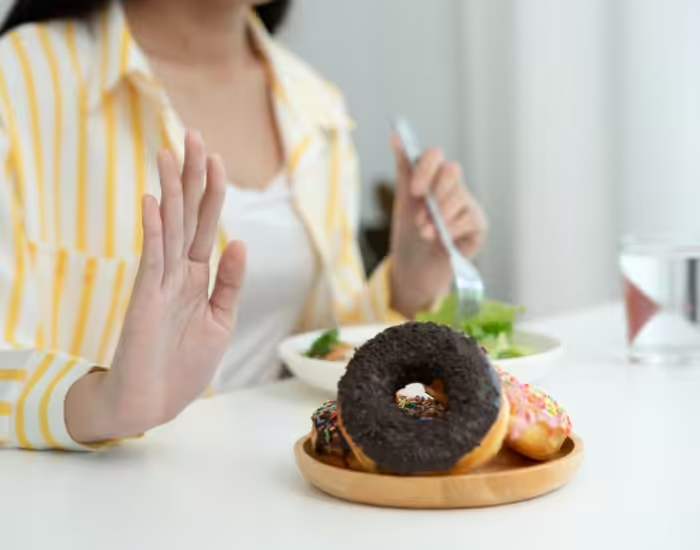
The foods most likely to cause symptoms are fried foods, fatty cuts of meat, processed meats such as sausage and bacon, full-fat dairy and cream sauces, pastries and baked goods made with butter or shortening, very spicy foods, and large amounts of caffeine or alcohol. Most people can eat these occasionally once the digestive system adjusts.
| Food group | Better choices | Limit, especially early |
|---|---|---|
| Protein | Skinless chicken, fish, eggs, beans, tofu | Fried meats, sausage, bacon, ribs |
| Dairy | Low-fat yogurt, skim milk | Whole milk, cream, ice cream, cheese sauces |
| Grains | Oats, brown rice, whole-wheat bread | Pastries, croissants, donuts |
| Fats | Small amounts of olive oil, avocado | Butter, lard, fried foods |
| Snacks | Fruit, air-popped popcorn, pretzels | Chips, fries, rich desserts |
| Drinks | Water, herbal tea | Large amounts of coffee, alcohol, sugary drinks |
Why do some people get diarrhea after gallbladder removal?
Without a gallbladder, bile drips continuously into the intestine. In some people, extra bile reaches the colon, where it draws in water and causes loose, urgent stools, known as bile acid diarrhea. It is most common in the first weeks and often improves. If it continues, a bile acid binder medication such as cholestyramine can be very effective.
Call your doctor if you have
- Fever, chills or increasing abdominal pain after surgery
- Yellowing of the skin or eyes, or dark urine
- Persistent vomiting
- Diarrhea lasting more than a few weeks
- Pain similar to your original gallbladder attacks
Have symptoms like these?
Dr. Muhammad Ali Khan, a board-certified gastroenterologist and hepatologist, sees adults at our Katy and Cypress offices, serving patients across Greater Houston.
Can you still have pain after gallbladder removal?
Some people have ongoing or new upper abdominal pain, called post-cholecystectomy syndrome. Causes include a gallstone left in the bile duct, sphincter of Oddi dysfunction, gastritis, ulcers, reflux, IBS or pancreatitis. Blood tests, imaging and sometimes endoscopy help find the cause, and most causes are treatable.
Tip: Add fiber slowly, about one extra serving a day, using oats, psyllium, fruit and vegetables. Soluble fiber helps firm up loose stools by absorbing extra bile.
Do you need supplements after cholecystectomy?
Most people do not. A balanced diet is usually enough. People with ongoing fatty or loose stools may have trouble absorbing fat-soluble vitamins, and your doctor may check vitamin D or other levels. Avoid starting bile salt or enzyme supplements without guidance.
When should you see a gastroenterologist?
See a gastroenterologist if diarrhea, bloating or pain continue more than a few weeks after surgery, if symptoms are getting worse, or if you notice jaundice or greasy stools. Dr. Muhammad Ali Khan evaluates digestive symptoms after gallbladder surgery for patients from Katy, Cypress, Fulshear, Richmond and Greater Houston. See our chronic diarrhea care and abdominal pain specialist pages.
Get answers instead of guessing
Request a visit with Dr. Muhammad Ali Khan at our Katy and Cypress offices. Most major insurance plans are accepted and self-pay options are available.
Key takeaways
- Small, low-fat meals are the core of a diet after cholecystectomy.
- Limit fried and fatty foods for the first few weeks, then reintroduce slowly.
- Loose stools are common early and often improve; medication helps if they persist.
- Soluble fiber can firm stools by binding extra bile.
- Ongoing pain, jaundice or fever after surgery need evaluation.
Frequently asked questions
How long after gallbladder removal can I eat normally?
Most people return to a fairly normal diet within four to six weeks, adjusting for any foods that cause symptoms.
Can I eat eggs after cholecystectomy?
Yes. Eggs are a good protein source. Cook them without much butter or oil at first.
Will I gain weight after gallbladder removal?
Some people do, often because they return to richer foods. A balanced, lower-fat diet helps prevent this.
Is coffee okay after gallbladder surgery?
Moderate amounts are usually fine, but coffee can speed up the bowel, so limit it if you have loose stools.
Can gallstones come back after removal?
Stones cannot form in a gallbladder that is gone, but rarely they can form in the bile ducts.
Do I need a referral to see a gastroenterologist in Katy or Cypress?
It depends on your insurance plan. Many PPO plans let you book a specialist directly, while some HMO plans require a referral from your primary care doctor. Call (346) 340-4414 and the team can help you check.
Sources
Where to be seen in Katy and Cypress
United Gastroenterology Associates has two offices: Katy, at 23920 Katy Freeway, Suite 555, next to Memorial Hermann Katy Hospital, and Cypress, at 21216 Northwest Freeway, Suite 640, on US-290. Both are open Monday through Friday, 8:30 AM to 5:00 PM, closed for lunch from 12:00 to 1:30 PM, and serve patients from Fulshear, Richmond and across Greater Houston. Call (346) 340-4414 for either office.
Katy office
23920 Katy Freeway, Suite 555
Katy, TX 77494
Memorial Hermann Medical Plaza 1
Next steps
If you are dealing with diet after cholecystectomy or any ongoing digestive concern, a focused evaluation can find the cause and start the right treatment. Dr. Muhammad Ali Khan and the team at United Gastroenterology Associates see adults from Katy, Cypress, Fulshear, Richmond, Greater Houston and across Texas. Call (346) 340-4414 or request an appointment today.
If you have severe pain, vomit blood, pass black stools or have chest pain, call 911 or go to the nearest emergency room.