
Colorectal cancer is one of the most preventable types of cancer, yet early detection is key. Colonoscopy remains the gold standard for screening, helping identify precancerous polyps and other gastrointestinal issues before they become serious. For adults in Katy, TX, understanding colonoscopy screening guidelines ensures timely intervention and long-term digestive health. Whether you’re considering your first screening or maintaining regular follow-ups, knowing when and how often to undergo a colonoscopy can save lives and give you peace of mind.
1. What Is a Colonoscopy and Why It Matters
A colonoscopy is a minimally invasive procedure that allows a gastroenterologist to examine the lining of the colon and rectum for abnormalities, such as polyps, inflammation, or early signs of cancer. This procedure is not only diagnostic but also preventive; polyps can be removed during the exam, significantly reducing the risk of colorectal cancer. Beyond cancer prevention, colonoscopy can help detect other digestive disorders such as inflammatory bowel disease (IBD) or diverticulosis, giving your gastroenterologist valuable insight into your overall gastrointestinal health.
2. Recommended Age to Start Screening
The American Cancer Society and major gastroenterology associations recommend that average-risk adults begin colonoscopy screening at age 45. Starting at this age allows for early detection of polyps and other abnormalities before they progress. For individuals with a family history of colorectal cancer or other risk factors, screening may be advised earlier, often beginning at age 40 or even younger, depending on the physician’s assessment. Establishing a regular screening routine ensures any issues are caught early, improving outcomes and survival rates.
3. Frequency of Colonoscopy
For adults at average risk with normal colonoscopy results, repeat screenings are typically recommended every 10 years. However, this interval may change based on findings during the procedure:
- Polyps found: The gastroenterologist may recommend follow-up in 3–5 years, depending on the number and type of polyps.
- High-risk conditions: Conditions like inflammatory bowel disease or a strong family history of colorectal cancer may require more frequent monitoring.
- Incomplete procedure: If the colonoscopy could not visualize the entire colon, a repeat exam may be scheduled sooner.
Maintaining the appropriate screening schedule is essential to prevent disease progression and ensure ongoing digestive health.
4. High-Risk Individuals Who Need Earlier Screening
Some adults in Katy, TX may need to begin colonoscopy screenings earlier than the standard guidelines due to increased risk. High-risk factors include:
- A family history of colorectal cancer or advanced polyps
- Personal history of inflammatory bowel disease (Crohn’s disease or ulcerative colitis)
- Genetic syndromes such as Lynch syndrome or familial adenomatous polyposis (FAP)
- Previous colorectal cancer or adenomatous polyps
For these individuals, your gastroenterologist will create a personalized screening schedule to monitor your colon health closely and reduce potential complications.
5. Preparing for Your Colonoscopy
Proper preparation is key to a successful colonoscopy. Your gastroenterologist will provide detailed instructions, which generally include:
- Following a clear-liquid diet 24–48 hours before the procedure
- Using prescribed bowel-cleansing solutions to ensure the colon is free of stool
- Avoiding certain medications or supplements as directed
- Arranging transportation, as sedation is typically used during the procedure
Adequate preparation allows for a thorough examination and accurate results, reducing the need for repeat procedures.
6. What to Expect During the Procedure
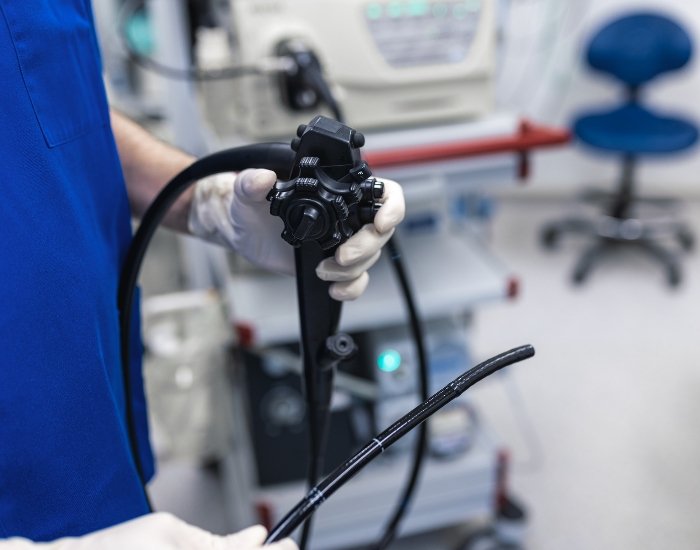
During a colonoscopy, you will receive sedation to ensure comfort throughout the procedure. A flexible, camera-equipped tube is gently inserted into the rectum and guided through the colon. The gastroenterologist carefully examines the colon lining, removes polyps if necessary, and may take tissue samples for biopsy. Most procedures last between 30 minutes to one hour, and the sedation allows for a painless experience with minimal discomfort.
7. After the Colonoscopy: Recovery and Results
After the procedure, you will spend some time in recovery while the sedation wears off. Most patients experience mild bloating or cramping, which usually resolves within a few hours. Results from the colonoscopy are typically discussed within a few days to a week. If polyps or abnormalities are found, your gastroenterologist will explain the next steps, including follow-up procedures or treatment plans. Timely follow-up ensures early intervention and long-term digestive wellness.
8. FAQs
Q1: At what age should adults in Katy, TX start colonoscopy screenings?
A: Average-risk adults should start at age 45, but high-risk individuals may begin earlier.
Q2: How often should a colonoscopy be repeated?
A: Generally every 10 years for average-risk adults with normal results, though intervals may be shorter if polyps or high-risk conditions are present.
Q3: Is colonoscopy painful?
A: Most patients receive sedation and experience minimal discomfort during the procedure. Mild bloating or cramping may occur afterward.
Q4: Can colonoscopy prevent colorectal cancer?
A: Yes. Colonoscopy allows removal of polyps and detection of early cancer, significantly reducing risk.
Q5: How should I prepare for my colonoscopy?
A: Follow your gastroenterologist’s instructions carefully, which usually include a clear-liquid diet and bowel-cleansing regimen.
9. Final Thoughts
Colonoscopy is a crucial tool for maintaining digestive health and preventing colorectal cancer. By following colonoscopy screening guidelines for adults in Katy, TX, you can detect issues early and take proactive steps toward wellness. If you are due for a screening or want guidance on when to start, schedule a consultation with a gastroenterologist today. For residents of Katy, TX, find a gastroenterologist in Katy, and for those near Cypress, visit a gastroenterologist in Cypress. United Gastroenterology Associates offers expert care, personalized treatment plans, and advanced screening procedures to keep your digestive system healthy.
Medical Disclaimer: This blog is for informational purposes only and is not a substitute for professional medical advice. Always consult your healthcare provider for diagnosis and treatment of gastrointestinal conditions.