
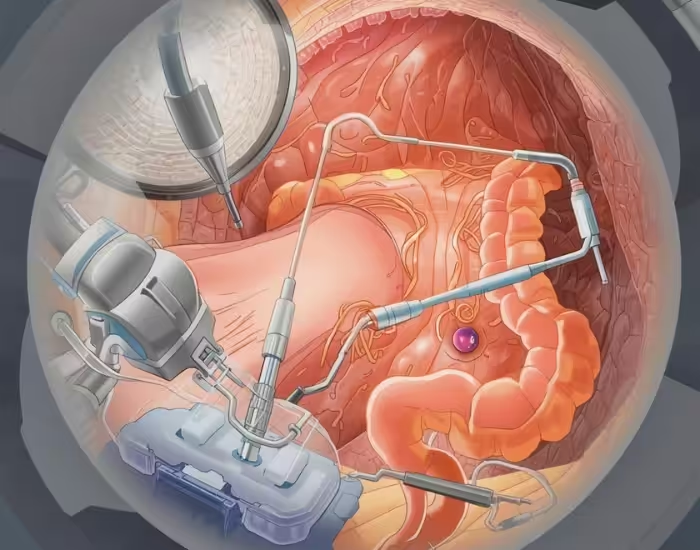
Colonoscopy is one of the most important preventive screenings for women, yet it is often overlooked compared to other routine health checks. Colorectal cancer affects both men and women, and early detection through colonoscopy can significantly reduce risk and improve outcomes. Many women delay screening because they are unsure when to start or what to expect. Understanding colonoscopy for women helps remove fear and encourages proactive care.
Women looking for expert screening can schedule a colonoscopy in Cypress TX or consult a gastroenterologist in Katy TX for personalized care. To understand overall screening timing, review colonoscopy screening guide, and for preparation details, visit how to prepare for colonoscopy.
Table of Contents
- Why Colonoscopy is Important for Women
- When Should Women Start Screening
- Symptoms Women Should Not Ignore
- What to Expect During Colonoscopy
- Are There Differences for Women
- Preparing for Colonoscopy
- Addressing Common Concerns
- Colonoscopy Services in Katy and Cypress
- Final Thoughts
Why Colonoscopy is Important for Women
Colorectal cancer is one of the leading causes of cancer-related deaths among women, yet it is highly preventable with early screening.
Colonoscopy helps:
- Detect cancer early
- Remove precancerous polyps
- Identify digestive conditions
Because early-stage cancer often has no symptoms, screening is essential even if you feel healthy. Women who want a full overview of screening frequency should review colonoscopy screening guide.
When Should Women Start Screening
Most women should begin colonoscopy screening at age 45.
Earlier screening may be needed if:
- Family history of colon cancer
- Personal history of polyps
- Chronic digestive conditions
- Inflammatory bowel disease
If your colonoscopy results are normal, the next screening is usually recommended after 10 years. Your doctor may adjust the timeline based on individual risk.
Symptoms Women Should Not Ignore
Even though screening is preventive, certain symptoms require immediate attention:
- Rectal bleeding
- Persistent abdominal pain
- Changes in bowel habits
- Unexplained weight loss
- Chronic fatigue
These symptoms may not always indicate cancer, but early evaluation is important.
What to Expect During Colonoscopy
A colonoscopy is a safe and routine procedure performed under sedation.
During the procedure:
- A flexible scope examines the colon
- Polyps can be removed
- Biopsies can be taken
The procedure usually takes 20–30 minutes, and patients return home the same day. Most women experience little to no discomfort.
Are There Differences for Women
While the procedure is similar for both men and women, certain factors may differ:
- Women may have a slightly longer colon
- Previous pelvic surgeries may affect procedure
- Hormonal factors may influence symptoms
An experienced gastroenterologist ensures a safe and comfortable experience tailored to each patient.
Preparing for Colonoscopy
Preparation is one of the most important steps for accurate results.
Patients should:
- Follow a low-fiber diet
- Switch to clear liquids
- Complete bowel prep
For detailed instructions, visit how to prepare for colonoscopy.
Proper preparation ensures clear visibility and accurate diagnosis.
Addressing Common Concerns
Many women delay scheduling a colonoscopy due to fear, embarrassment, or uncertainty about what the procedure involves. While these feelings are completely understandable, having accurate information can ease anxiety and make the decision much easier.
Let’s address some of the most common concerns:
Is it painful?
No. Colonoscopies are performed under sedation, which keeps you relaxed and comfortable throughout the procedure. Most patients do not feel pain and often do not remember the procedure afterward. You may experience mild bloating or gas temporarily, but this usually resolves quickly.
Is it embarrassing?
The procedure is conducted in a highly professional medical setting by trained healthcare providers. Your privacy and dignity are always respected. Gastroenterology teams perform colonoscopies every day, and patient comfort is a top priority.
How long is recovery?
Recovery is typically quick. After a short observation period, you can go home the same day. While you’ll need someone to drive you due to sedation, most patients return to normal activities the following day.
What about the preparation?
Although bowel prep is often considered the most inconvenient part, it is temporary and essential for accurate results. Following instructions carefully ensures a smooth procedure and reduces the need for repeat testing.
Understanding what to expect helps replace fear with confidence. When women feel informed and supported, they are far more likely to complete screening on time. Prioritizing colonoscopy today can prevent serious health issues tomorrow.
Colonoscopy Services in Katy and Cypress
Women seeking colonoscopy screening can trust United Gastroenterology Associates for comprehensive and compassionate care. The practice offers modern screening techniques focused on early detection, patient comfort, and accurate diagnosis.
Patients can schedule a colonoscopy in Cypress TX or consult a gastroenterologist in Katy TX for personalized digestive care.
When to Schedule Your Colonoscopy
If you are 45 or older, current medical guidelines recommend beginning routine colorectal cancer screening—even if you feel completely healthy. Colorectal cancer often develops without noticeable symptoms in its early stages, which is why waiting for warning signs can delay diagnosis.
However, you may need to schedule a colonoscopy earlier than age 45 if you:
- Have a family history of colorectal cancer or polyps
- Have inflammatory bowel disease (Crohn’s disease or ulcerative colitis)
- Experience symptoms such as rectal bleeding, persistent abdominal pain, unexplained weight loss, or changes in bowel habits
- Have a personal history of polyps
Screening is not just about detecting cancer—it’s about preventing it. During a colonoscopy, doctors can remove precancerous polyps before they become dangerous.
Early screening:
- Prevents serious disease by removing abnormal growths
- Detects problems early, when treatment is most effective
- Improves long-term health outcomes
- Provides peace of mind through proactive care
The earlier potential issues are identified, the more treatment options are available and the better the outcomes tend to be. Delaying screening increases the risk of advanced disease that may require more aggressive treatment.
Taking action early is one of the most powerful steps you can take for prevention. Scheduling your colonoscopy at the right time protects your digestive health and supports your overall well-being for years to come.
Final Thoughts
Colonoscopy is a vital screening tool for women’s health, especially because colorectal cancer often develops silently without early symptoms. By understanding when to begin screening, what the procedure involves, and why early detection matters, women can take proactive control of their digestive health. In fact, timely colonoscopy screening not only detects cancer at an early, highly treatable stage but can also prevent it altogether by removing precancerous polyps before they develop into something more serious.
Additionally, women should be aware that certain risk factors — including family history, inflammatory bowel disease, lifestyle habits, and age — may require earlier or more frequent screening. Having open conversations with a gastroenterologist ensures a personalized plan that aligns with individual health needs.
Patients can strengthen their knowledge by reviewing colonoscopy screening guide and preparing properly through how to prepare for colonoscopy or scheduling a colonoscopy in Cypress TX today.
FAQs
Do women need colonoscopy screening?
Yes, women are equally at risk for colorectal cancer and should follow screening guidelines.
At what age should women get colonoscopy?
Most women should begin at age 45 unless risk factors require earlier screening.
Is colonoscopy different for women?
The procedure is similar, but individual factors may affect experience.
How long does recovery take?
Most women recover within one day.
Medical Disclaimer: This content is for educational purposes only and should not replace professional medical advice.