What is the best diet for bacterial overgrowth (SIBO)?
There is no single proven SIBO diet, but a short-term low-FODMAP diet is the most commonly recommended approach. It limits fermentable carbohydrates found in foods like onions, garlic, beans, wheat, some fruits and dairy, which bacteria feed on. A bacterial overgrowth diet is used alongside antibiotic treatment to reduce bloating and gas, not as a replacement for it, and foods are reintroduced after a few weeks.
The three phases of a SIBO diet
- Reduce2 to 6 weeks of low-FODMAP eating to calm symptoms.
- ReintroduceAdd one food group back at a time to find triggers.
- PersonalizeKeep a varied diet, limiting only the foods that cause symptoms.
Which foods should you limit with SIBO?
Foods most likely to worsen SIBO symptoms are those high in fermentable carbohydrates: onions, garlic, beans and lentils, wheat and rye, apples, pears, mangoes and watermelon, milk and soft cheese, honey and high-fructose corn syrup, and sugar alcohols such as sorbitol and xylitol found in sugar-free products. Large amounts of alcohol can also worsen symptoms.
| Food group | Choose more often | Limit during the reduce phase |
|---|---|---|
| Vegetables | Carrots, zucchini, spinach, bell peppers, cucumber | Onion, garlic, cauliflower, mushrooms |
| Fruits | Blueberries, oranges, kiwi, grapes, firm bananas | Apples, pears, mango, watermelon |
| Grains | Rice, oats, quinoa, sourdough spelt | Wheat and rye breads, pasta |
| Protein | Eggs, chicken, fish, firm tofu | Beans, lentils, processed meats with garlic |
| Dairy | Lactose-free milk, hard cheeses | Milk, ice cream, soft cheeses |
| Sweeteners | Maple syrup, small amounts of sugar | Honey, sorbitol, xylitol, HFCS |
Does diet cure SIBO?
No. Diet can reduce symptoms but does not usually clear SIBO on its own. The main treatment is a course of antibiotics, most often rifaximin, sometimes with a second antibiotic for methane-predominant overgrowth. An elemental diet, a liquid nutrition formula, is occasionally used under medical supervision when antibiotics fail. Treating the underlying cause is key to preventing relapse.
See a doctor if you have
- Unexplained weight loss or poor appetite
- Greasy, foul-smelling stools
- Anemia or low vitamin B12
- Blood in the stool
- Symptoms that return after treatment
Have symptoms like these?
Dr. Muhammad Ali Khan, a board-certified gastroenterologist and hepatologist, sees adults at our Katy and Cypress offices, serving patients across Greater Houston.
What causes bacterial overgrowth?
SIBO usually develops when something slows the normal movement of the small intestine or changes its structure. Common causes include diabetes, gastroparesis, previous abdominal surgery, Crohn's disease, strictures or adhesions, long-term use of acid-reducing medication or opioids, scleroderma, and older age. Identifying the cause helps prevent the overgrowth from coming back.
Tip: Leave three to four hours between meals and avoid constant snacking. This gives the small intestine time to run its natural cleaning waves, which help sweep bacteria out.
How is SIBO diagnosed?
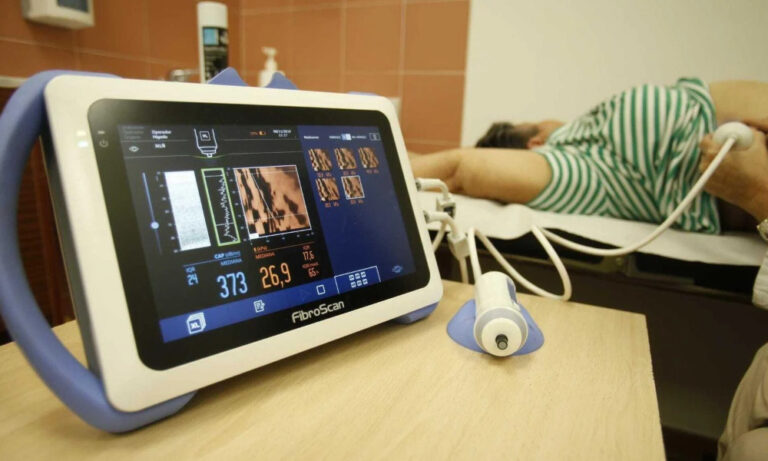
SIBO is usually diagnosed with a breath test. After drinking a sugar solution, you breathe into a tube at intervals and the levels of hydrogen and methane gas are measured. A rise in these gases suggests bacteria are fermenting sugar in the small intestine. Blood tests for anemia and vitamin levels, and sometimes endoscopy, are also used.
When should you see a gastroenterologist?
See a gastroenterologist if bloating, gas and loose stools last more than a few weeks, if symptoms return after treatment, or if you have weight loss or vitamin deficiencies. Dr. Muhammad Ali Khan diagnoses and treats SIBO for patients from Katy, Cypress, Fulshear, Richmond and Greater Houston. Learn more on our bloating and gas specialist page or in our IBS care overview.
Get answers instead of guessing
Request a visit with Dr. Muhammad Ali Khan at our Katy and Cypress offices. Most major insurance plans are accepted and self-pay options are available.
Key takeaways
- A short-term low-FODMAP diet is the most common bacterial overgrowth diet.
- Diet eases symptoms but antibiotics are the main SIBO treatment.
- Reintroduce foods after a few weeks to avoid an overly restricted diet.
- Treating the underlying cause lowers the risk of relapse.
- Breath testing is the usual way to diagnose SIBO.
Frequently asked questions
How long should I follow a SIBO diet?
The strict phase usually lasts 2 to 6 weeks, followed by gradual reintroduction. Long-term restriction is not recommended.
Are probiotics good for SIBO?
Evidence is mixed. Some people improve and others feel worse. Ask your gastroenterologist before starting one.
Can I eat rice with SIBO?
Yes. White rice is low in FODMAPs and usually well tolerated.
Is SIBO the same as IBS?
No, but symptoms overlap and some people with IBS also have SIBO. Testing helps tell them apart.
Can SIBO come back?
Yes, especially if the underlying cause remains. Managing that cause and eating patterns can reduce relapse.
Do I need a referral to see a gastroenterologist in Katy or Cypress?
It depends on your insurance plan. Many PPO plans let you book a specialist directly, while some HMO plans require a referral from your primary care doctor. Call (346) 340-4414 and the team can help you check.
Sources
- NIDDK — Irritable bowel syndrome
- NIDDK — Gas in the digestive tract
- MedlinePlus — Gas
- MedlinePlus — Malabsorption syndromes
- American College of Gastroenterology — IBS
Where to be seen in Katy and Cypress
United Gastroenterology Associates has two offices: Katy, at 23920 Katy Freeway, Suite 555, next to Memorial Hermann Katy Hospital, and Cypress, at 21216 Northwest Freeway, Suite 640, on US-290. Both are open Monday through Friday, 8:30 AM to 5:00 PM, closed for lunch from 12:00 to 1:30 PM, and serve patients from Fulshear, Richmond and across Greater Houston. Call (346) 340-4414 for either office.
Katy office
23920 Katy Freeway, Suite 555
Katy, TX 77494
Memorial Hermann Medical Plaza 1
Next steps
If you are dealing with bacterial overgrowth diet or any ongoing digestive concern, a focused evaluation can find the cause and start the right treatment. Dr. Muhammad Ali Khan and the team at United Gastroenterology Associates see adults from Katy, Cypress, Fulshear, Richmond, Greater Houston and across Texas. Call (346) 340-4414 or request an appointment today.
If you have severe pain, vomit blood, pass black stools or have chest pain, call 911 or go to the nearest emergency room.