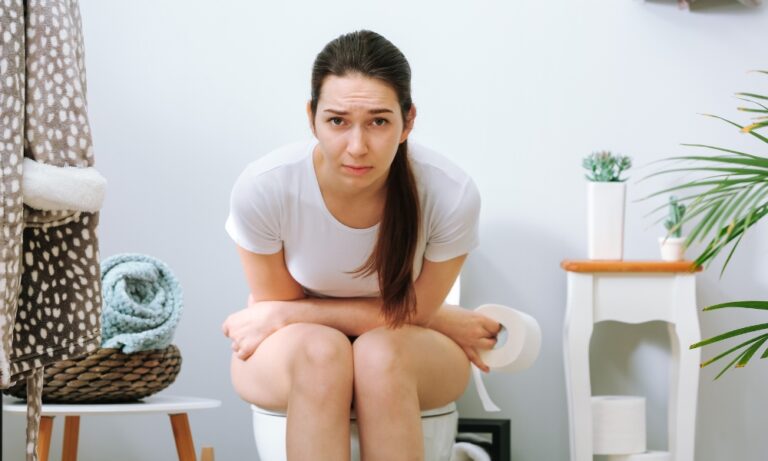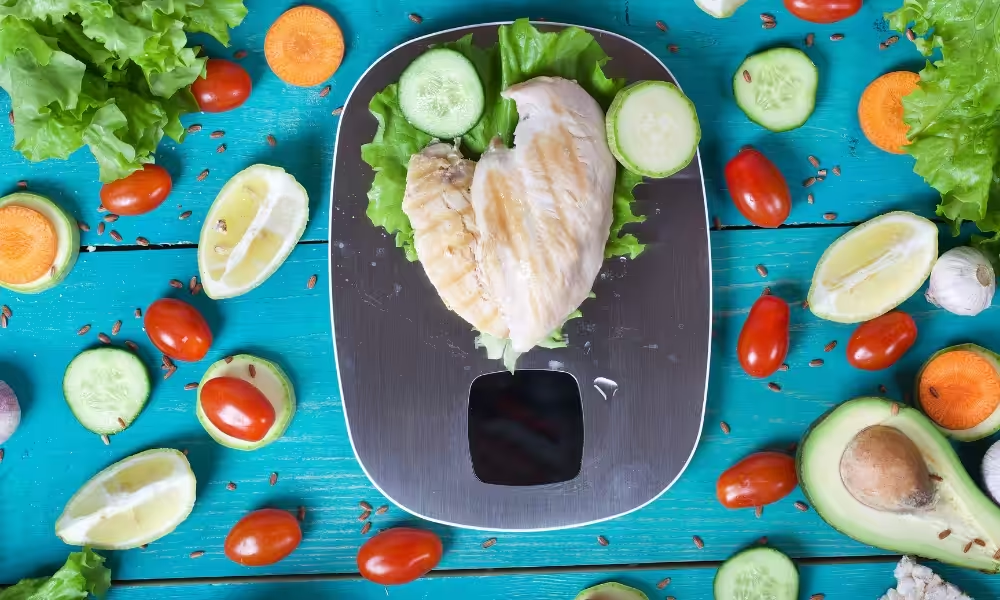
The good news? Certain foods can help relieve constipation naturally, while others may make it worse. In this guide, we’ll dive into five amazing foods that fight constipation, explain why they work, and highlight some common culprits that can slow your digestive system down.
Why Diet Matters for Constipation
Your diet plays a huge role in your digestive health. Fiber, hydration, and healthy fats help keep your stool soft and your bowel movements regular. On the other hand, low-fiber foods, excessive processed meals, and dehydration can contribute to constipation.
Understanding which foods to include—and which to avoid—can make a significant difference in maintaining healthy digestion. Adding natural fiber-rich foods not only promotes bowel regularity but also supports gut health and overall wellness.
1. Prunes: The Tried-and-True Remedy
Prunes, also known as dried plums, have long been recommended as a natural remedy for constipation. But they’re more than just a traditional solution—they’re highly effective.
Why Prunes Work:
Prunes contain both soluble and insoluble fiber, which helps add bulk to the stool. They are also rich in sorbitol, a sugar alcohol that acts as a mild natural laxative by drawing water into the intestines. This helps soften the stool and makes bowel movements easier.
How to Include Prunes in Your Diet:
- Snack on a handful of prunes during the day.
- Chop prunes into oatmeal or yogurt.
- Blend them into smoothies for a sweet, fiber-rich boost.
Even a small serving of prunes daily can help reduce constipation and support overall digestive health.
2. Oatmeal: Your Morning Fiber Fix
Starting your day with a warm bowl of oatmeal is more than comforting—it’s a digestive-friendly choice. Oats are rich in soluble fiber, which absorbs water and forms a gel-like consistency in the gut. This helps the stool move more smoothly through the intestines.
Tips for Making Oatmeal More Effective:
- Top with high-fiber fruits like berries, apples, or pears.
- Sprinkle chia seeds or flaxseeds for an extra fiber boost.
- Use water or plant-based milk to avoid constipating dairy in sensitive individuals.
Regularly including oatmeal in your breakfast can improve bowel regularity and help prevent constipation before it starts.
3. Avocados: The Creamy Fiber Hero
Avocados aren’t just delicious—they’re packed with nutrients that promote healthy digestion. One cup of avocado provides about 10 grams of fiber, including soluble fiber that helps soften stool and insoluble fiber that adds bulk.
Other Benefits for Digestion:
- Healthy fats in avocados support smooth movement of stool through the intestines.
- They are rich in magnesium, a mineral that can help relax intestinal muscles and improve bowel movements.
Ways to Enjoy Avocado:
- Spread on toast with a sprinkle of seeds.
- Add to salads or grain bowls.
- Blend into smoothies for a creamy, fiber-rich treat.
Including avocados in your diet regularly can improve stool consistency and prevent constipation.
4. Sweet Potatoes: Fiber with a Twist
Sweet potatoes are a versatile and tasty source of both soluble and insoluble fiber. A medium sweet potato contains around 4 grams of fiber, which helps add bulk to the stool and promotes regular bowel movements.
Why Sweet Potatoes Help:
- Insoluble fiber speeds up digestion.
- Soluble fiber helps retain water in the stool, preventing hardness.
Ways to Enjoy Sweet Potatoes:
- Roast them with herbs for a healthy side dish.
- Mash with a little olive oil for a creamy alternative to regular mashed potatoes.
- Cut into fries and bake for a fiber-rich snack.
Sweet potatoes not only support digestion but also provide antioxidants and vitamins that benefit overall health.
5. Chia Seeds: Tiny Seeds, Big Impact
Don’t underestimate tiny chia seeds—they are fiber powerhouses. One ounce of chia seeds provides about 10 grams of fiber. When soaked in water or milk, chia seeds form a gel-like substance that softens stool and promotes easier bowel movements.
How to Use Chia Seeds:
- Mix into yogurt or smoothies.
- Soak in water overnight to create a pudding.
- Sprinkle over salads or oatmeal for a fiber boost.
Chia seeds are an excellent addition to a daily diet for anyone struggling with occasional or chronic constipation.
Foods That Can Make Constipation Worse
While some foods can relieve constipation, others may slow digestion and worsen symptoms. Here are some common culprits:
- Dairy Products: Cheese, milk, and ice cream can be constipating for some people, especially if consumed in excess.
- Processed Foods: Chips, cookies, and fast food are often low in fiber and high in fats, which can slow digestion.
- Red Meat: While high in protein, red meat lacks fiber and can make bowel movements harder.
- Unripe Bananas: Unlike ripe bananas, unripe bananas are high in starch, which may contribute to constipation.
Being mindful of these foods and moderating their intake can help maintain regular bowel movements.
Have symptoms like these?
Dr. Muhammad Ali Khan, a board-certified gastroenterologist and hepatologist, sees adults at our Katy and Cypress offices, serving patients across Greater Houston.
Bonus Tips for Smooth Digestion
Adding fiber-rich foods alone isn’t always enough. Supporting habits can make a significant difference:
- Stay Hydrated: Drink plenty of water daily to keep stool soft. Dehydration makes constipation worse.
- Exercise Regularly: Physical activity stimulates intestinal muscles, helping move stool through the digestive tract.
- Don’t Ignore the Urge: When you feel the need to go, don’t delay. Ignoring bowel urges can worsen constipation.
- Manage Stress: Stress affects digestion and can slow bowel movements, so try yoga, meditation, or deep breathing.
Incorporating these habits alongside fiber-rich foods can significantly improve digestive health and prevent constipation naturally.
Get answers instead of guessing
Request a visit with Dr. Muhammad Ali Khan at our Katy and Cypress offices. Most major insurance plans are accepted and self-pay options are available.
When to See a Gastroenterologist
Sometimes constipation may be a sign of an underlying digestive disorder. It’s important to seek medical help if you notice:
- Constipation lasting more than a week.
- Severe abdominal pain or bloating.
- Blood in your stool.
- Unexplained weight loss.
- Constipation that persists despite home remedies.
A gastroenterologist can help identify the root cause of chronic constipation and provide advanced treatment options, such as prescription medications, biofeedback therapy, or, in rare cases, surgery.
A gastroenterologist in your area can provide personalized care to restore regular bowel movements and improve your digestive health.
Don’t let constipation disrupt your life. If dietary changes and natural remedies aren’t enough, it’s time to seek professional help.
- Schedule an appointment with a gastroenterologist in Houston for expert evaluation.
- Find a gastroenterologist in Cypress to discuss your chronic constipation.
- Consult a gastroenterologist in Katy to get personalized treatment options.
Early intervention can prevent complications, improve digestion, and get your life back on track.
Medical Disclaimer: This blog is for informational purposes only and is not a substitute for professional medical advice. Always consult a licensed physician or gastroenterologist for diagnosis or treatment of constipation or any other digestive health issue.
Where to be seen in Katy and Cypress
United Gastroenterology Associates has two offices: Katy, at 23920 Katy Freeway, Suite 555, next to Memorial Hermann Katy Hospital, and Cypress, at 21216 Northwest Freeway, Suite 640, on US-290. Both are open Monday through Friday, 8:30 AM to 5:00 PM, closed for lunch from 12:00 to 1:30 PM, and serve patients from Fulshear, Richmond and across Greater Houston. Call (346) 340-4414 for either office.
Katy office
23920 Katy Freeway, Suite 555
Katy, TX 77494
Memorial Hermann Medical Plaza 1
Next steps
If you are dealing with foods that help constipation or any ongoing digestive concern, a focused evaluation can find the cause and start the right treatment. Dr. Muhammad Ali Khan and the team at United Gastroenterology Associates see adults from Katy, Cypress, Fulshear, Richmond, Greater Houston and across Texas. Call (346) 340-4414 or request an appointment today.
If you have severe pain, vomit blood, pass black stools or have chest pain, call 911 or go to the nearest emergency room.